Lineout Calls of the Week and What to Watch and Why

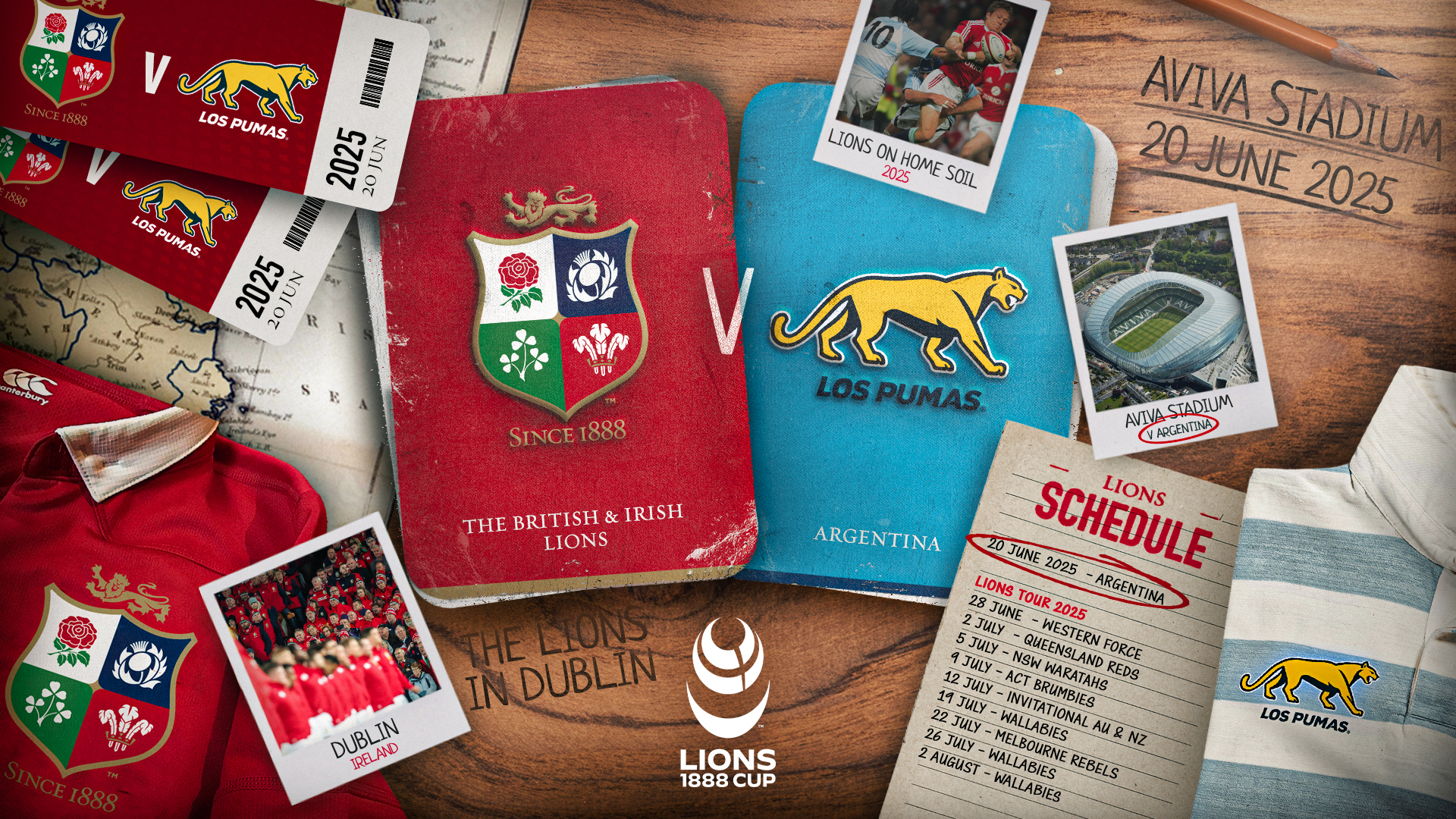
Last weekend we got treated to one of the best games of the year, as Felipe Contemponi’s fantastic Pumas got one over the Lions in the first game in Dublin before the famous British and Irish touring team boarded the plane for Australia. Much has been made of the game and what it means for both sides, but we’ll take a moment to let it sink in in terms of its significance for Argentina. We’ll also give our thoughts and what it taught the Lions ahead of them landing on Australian shores this weekend.

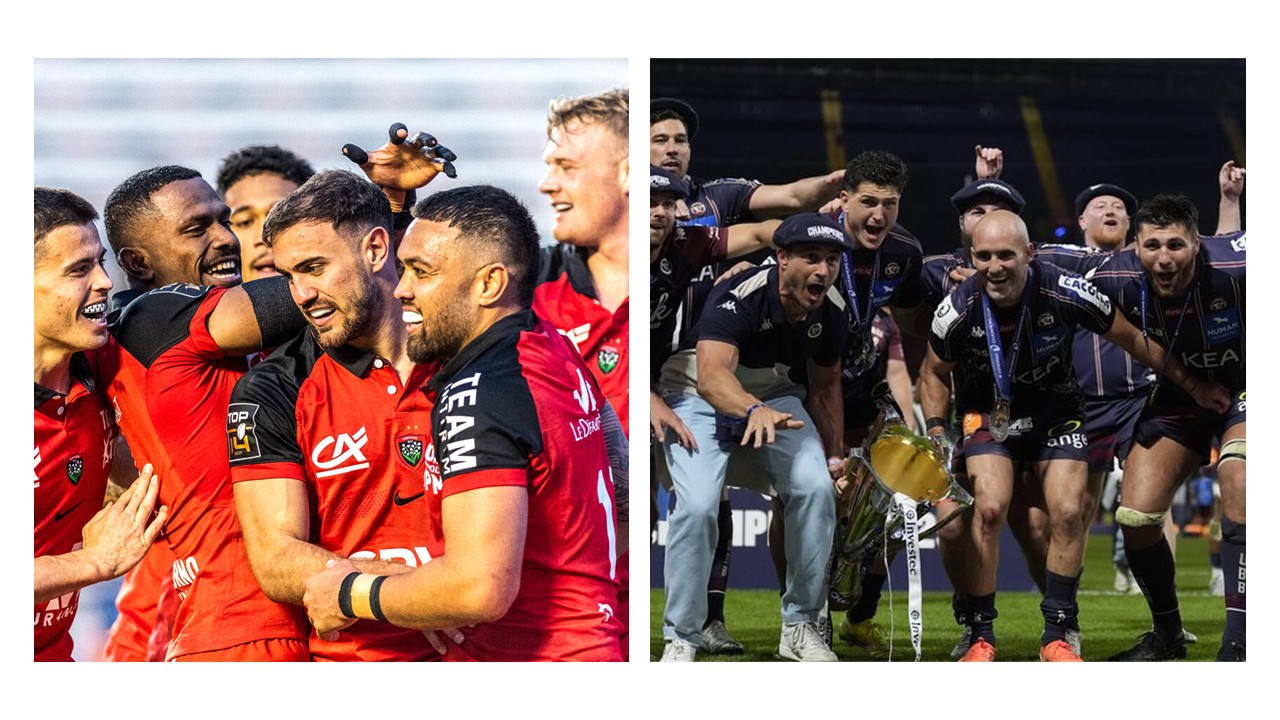
Finally although there’s not a huge amount to watch this weekend ahead of the Summer Internationals kicking off next month, if you are looking to be entertained this weekend then you will not want to miss France’s gold standard club competition’s Final this weekend. The TOP 14 has a blockbuster match up between multiple domestic and European Champions Toulouse and current European Champions Bordeaux at the Stade de France on Saturday.

So, without further ado, let’s have a look at what got us talking after the weekend.

Argentina are starting to look genuinely ominous as the countdown to the next World Cup starts in earnest

Argentinian Coach Felipe Contempomi has had a stellar run this past year, claiming four big scalps in the shape of France, the Lions, Springboks, and All Blacks. With seedings for the 2027 World Cup on the line this year, Argentina look exceptionally well placed at this stage of the World Cup cycle

Since taking over since the last World Cup in France, Pumas Coach Felipe Contempomi is starting to make Argentina look the genuine threat we all know that they can and should be. In the last year, his charges have beaten France, New Zealand, Australia, South Africa, Italy, and most recently, the British and Irish Lions and also ran Ireland exceptionally close last year in Dublin. They are currently ranked fifth in the World, and a strong showing in their two Test series against England this summer followed up by a solid Rugby Championship could even see them contemplate a spot in the top four.

In short, Argentina are on a roll, and the future looks very bright indeed. There is a raft of new talent coming through, as well as some of the bright and upcoming stars of a few years ago really hitting their straps on the International stage. Perhaps none more so than fly half Tomas Albornoz, who was utterly outstanding last weekend against the Lions. When you consider that back rower Juan Martin Gonzalez who is now such a standard bearer for the Pumas is only 24, you realize that Argentina look set to peak at just the right time for the World Cup. With the vast majority of the current squad barely cracking their mid twenties and most of the rest still being well shy of 30, Argentina look in excellent shape.

Admittedly, they were playing the Lions in the touring team’s first outing as a group of players not used to playing with each other, and it was obvious that they clearly struggled with their processes at times. However, by contrast, Argentina’s attacking play was truly mesmerising to watch at times and will be a nightmare for some of the world’s best defenses over the coming months. It was sharp, clinical, and had an almost effortless structure to it. Furthermore, the handling errors that all too often have been a feature of Argentina’s ambition on the pitch when they got adventurous just weren’t there.

Their scrum still needs some genuine work, but we’re sure that’s a work in progress. Nevertheless, their world-renowned physicality was there for all to see, and despite their struggles at scrum time, everywhere else, they looked strong in their set piece work. Their efforts at the breakdown and in the loose were solid, and their defense and composure to hold on in the final quarter despite a concerted Lions onslaught was inspiring.

Ahead of the incoming tour by England’s young guns and those not selected for the Lions Tour, Argentina looks well placed to give England Coach Steve Borthwick and his charges some genuine headaches. We’re actually looking forward to England’s two games in Argentina next month almost as much as we’re looking forward to the Lions series. That’s followed up by the Pumas hosting New Zealand for their two fixtures in the Rugby Championship in August. If they can repeat their heroics against the All Blacks last year and emerge with a clean sweep of England, Wales and Scotland in their European Tour this Autumn, then the sky could genuinely be the limit heading into the next World Cup for Felipe Contemponi and his Pumas.

We simply can’t wait to find out. Argentina have made huge strides since 2000, and the potential for this team is remarkable. Their passion and pride in the jersey is the stuff of legends but is now combined with composure and a set of skills that, at long last, are starting to show some genuine consistency. Tweak a few things like their traditional bread and butter strengths such as the scrum and we have a hunch that Argentina are about to become every neutral’s fan favorite at the next World Cup in Australia if they aren’t already.

There is still plenty to smile about despite the initial speed bump in Dublin

We have to confess to being slightly taken aback by the negativity surrounding the Lions defeat to Argentina in their opener in Dublin and feel some context needs to be applied to the result

We were delighted to see Argentina get the win last weekend in Dublin, and they fully deserved it. However, the backlash in the media against the Lions did catch us by surprise somewhat. Agreed, they did stutter at times against an exceptionally good Argentinian side. However, it needs to be remembered that this was the first time this particular squad had assembled competitively. To cut your teeth against a fired up and well coached Pumas side as your first outing is a serious challenge. Argentina were the better team on the day without a doubt, but the Lions gave them a serious challenge and, by the last quarter, were clearly starting to find their feet – Australia be warned!

Admittedly, apart from the scrum, the Lions setpiece work was a shambles for the most part, and defensively, at times, they looked weak. However, as the match wore on, they started to find their shape and began to settle. For some of their younger players such as England’s much talked about Henry Pollock the theatre and drama of a Lions stage clearly took some getting used to, but we have every faith the rather impressive youngster will learn from his first outing and quickly rise to the challenge.

The Test against Argentina will have been excellent preparation, especially as a lot of those precise incisions into the Lions defence that the Pumas were able to execute at speed will be similar to the style Australia and their strike runners are likely to use, backed up by a fast moving and powerful forward pack that thrives in the loose. We’d argue that once the Lions start to gel, their back row in particular will also thive off fast ruck ball in open play and that combination of Ireland and England’s powerful second and back rowers will be a real handful for Australia.

The speed of thought and ability to create space shown by Argentinian fly half Tomas Albornoz last weekend, is not something we feel currently exists in Australia to the same degree. Consequently, the likes of Fin and Marcus Smith and the always irrepressible Finn Russell will be much more effective as a result of not having to deal with an Albornoz when it comes to asserting their roles as play makers. In their first outing last weekend it felt very much like the Lions were struggling to stamp any kind of authority on the game as Albornoz simply kept catching them off guard while exposing combinations that were struggling to gel for the Lions.

In short, by the time the first Test against the Wallabies rolls around on July 19th, expect to see a very settled Lions squad run out onto the pitch. Settled they were not last Friday in Dublin, despite the considerable talent in their ranks.

As the old saying goes, “One Test does not a summer make.” Fair play to Argentina for a spectacular and well deserved win, but we simply cannot say that what we saw last Friday by the Lions is the benchmark by which we should judge as to whether or not they will be successful in Australia. Let the real analysis start to take place over the coming weeks as right now the glass is simply only half full!

Vive le Flair Francais!

If you watch only one club game all year, then Saturday’s TOP 14 Final in France between two of the most exciting club sides on the planet is the one that should be on your matchday card. Toulouse and Bordeaux are all flair, speed, and razzle dazzle and play highly entertaining brands of rugby

France has the longest domestic club season of any of the big rugby superpowers. Its TOP 14 is the envy of the world and a hugely successful competition. The stadiums are packed, and Saturday’s Final at the Stade de France is a sellout in front 80,000 colorful, enthusiastic, and very loud fans. What we as neutrals are in for is a genuine treat as two sides who love to run the ball from anywhere go at it. It will be fast, furious, and exceptionally good fun.

The length of the French season has meant that there is little left in the tank for the Tours down South by the National Team, most notably France’s Tour to New Zealand next month. However, if you look at the depth that France is now able to produce through its robust club structure the “B” team travelling down to New Zealand is still a side that would cause most teams genuine concern. In the meantime, though, as a result, we get treated to a Final that will catch our attention as much as any full blown International.

Bordeaux’s attack will be built around the truly extraordinary turn of pace out wide and use of space by wingers Louis Bielle-Biarey and Damian Penaud. Meanwhile, Toulouse have a forward pack that can dominate proceedings allied to  their own strike runners in the shape of Blair Kinghorn and Juan Cruz Mallia and Mr. Reliability at the back and with the boot, fullback Thomas Ramos.

It’s Toulouse’s strength up front that is perhaps the edge in this fixture allied to fly half Romain Ntamack’s playmaking abilities. However, when you throw in Bordeaux’s Hooker Maxime Lamothe, who scored a remarkable three tries last weekend and seems to be able to do so just for fun, then nothing is a given.

We think it’s fair to argue that Toulouse are perhaps the more complete team of the two, but Bordeaux are definitely the more unpredictable. Furthermore, they have the ability to make said unpredictability turn into points. Some of their play may look wildly adventurous but watch the replays, and they know how to make it stick and turn it into success on the scoreboard.

Toulouse’s track record in the competition is legendary, while Bordeaux have only lifted the silverware once but they head into this fixture as Champions of Europe. It will be Bordeaux’s flair and vision up against Toulouse’s turn of pace coupled to some very mentally astute and skillful rugby. There may be a new dynasty starting to dominate French club rugby after the final whistle is blown in Paris on Saturday, but you won’t want to miss a potential changing of the guard as the fireworks are set to last for the full eighty minutes!

Toulouse vs Bordeaux – Saturday, June 28th – 3:05 PM (Eastern) – FLO Rugby (live and on demand)

So enjoy folks and get yourself ready for a month of full-blown International Test Rugby starting in July!

Lineout Calls of the Week and What to Watch and Why

International Rugby returns with a bang this weekend as the much talked about Lions Tour to Australia kicks off. Albeit it’s in Dublin as the Lions sharpen their teeth on some prime Argentinian beef as they take on the Pumas. These initial one off Tests before the Lions arrive in their country of destination are always entertaining affairs, and this Friday’s encounter should be no different. So while we have a look at that, in light of Super Rugby and this weekend’s Super Rugby Final which sees no Australian teams represented we ask the question of how competitive or one sided this Lions Tour may end up becoming.

However, there is still some unfinished business at club level as Super Rugby sees its Grand Final in an all New Zealand affair between the ever present Crusaders and title favorites the Chiefs. Finally, over in France, the TOP 14 brings us a very tasty Semi-Final ahead of what should be a classic Final.

As a result, there are not a huge number of games this weekend, but plenty of quality, and as you all know, our mantra is quality, not quantity. So, without any further ado, let’s get stuck into what’s got us chattering over our pints ahead of this weekend.

Will the Lions pack up all the Wallabies in their old kit bag, or will Australia send them homewards to think again?

Putting aside the blatant plagiarism in the above header that bears no relation to either teams anthems or theme songs, many predicted that the Lions would walk all over the Wallabies, but we have a hunch that this Tour is unlikely to be one way traffic and Australia may have some uncomfortable surprises up their sleeves

Like we say excuse the reference to an Irish folk song and the Scottish rugby anthem, both of which have nothing to do with either of the two teams entering the field of combat over the next 6 weeks. However, it does sum up some of the perceptions swirling around this Lions Tour. Some have said that Australia, in their current shape, will crumple under the assembled might of the best of England, Ireland, Scotland, and Wales. Others feel that Australian rugby is at a crucial fork in the road after a few nightmare years in the wilderness, and is about to turn a corner that will see them become the force that has featured in four World Cup Finals, and which saw them lift the Webb Ellis trophy twice.

We’re definitely in the latter camp and feel that although the Lions are likely to win the series we doubt it will be a clean sweep and that Australia will be infinitely more competitive across the three Tests than people are giving them credit for. We’ve always had a soft spot for the Wallabies, and some of our fondest memories are of the great Wallaby teams of the Nineties and early 2000s. They were teams that employed fantastic running rugby and were able to create an inventive and adventurous style of play that the French would have been proud of. If it was risky and a genuine throw of the dice then you could count on Australia to have a crack at it, and often it would result in some of the best tries the modern game has ever seen. In short, the French had their flair, but Australia had their razzle dazzle.

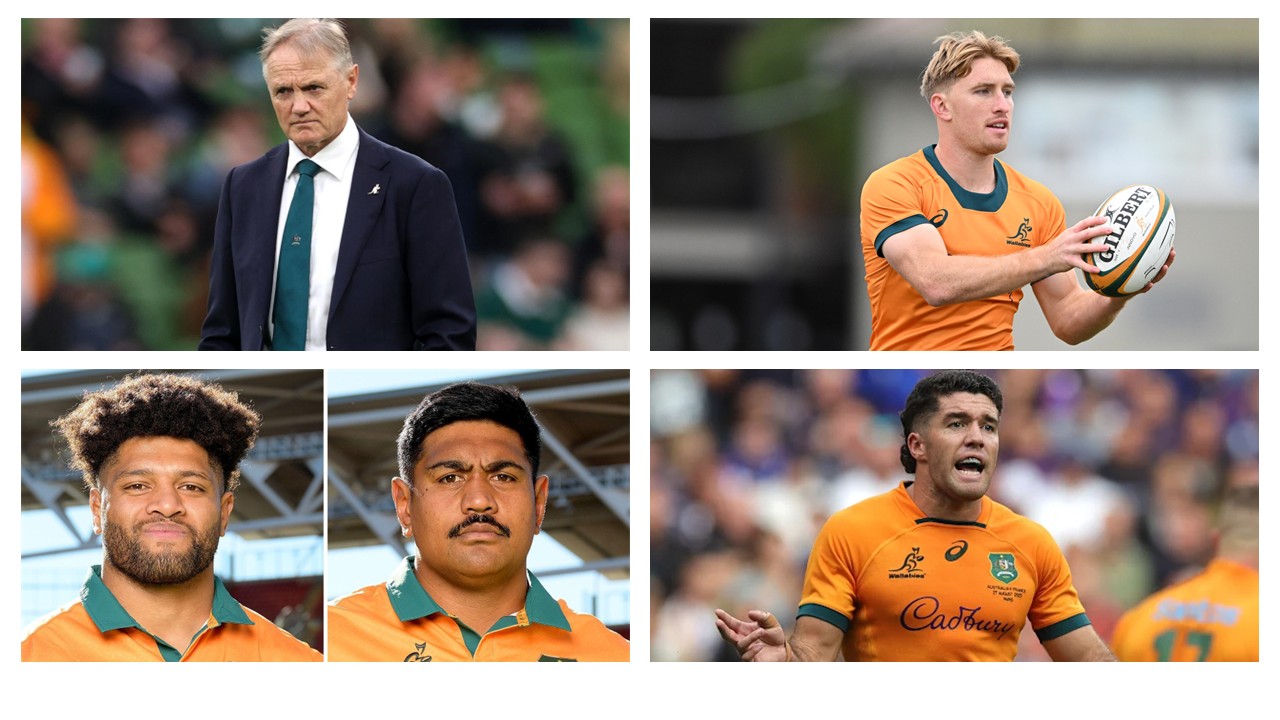
In recent, times though and especially since the advent of professionalism and competing sporting interests in Australia, rugby and the Wallabies have struggled to keep up with the ever changing international game. The 2023 World Cup Pool stage exit was probably the lowest point in the Wallabies’ illustrious history. Since then, they have been slowly rebuilding while the game itself at a domestic level has taken a long, hard look at itself. The answers are still a long way off, but since former Ireland Coach Joe Schmidt took temporary control of the Wallaby Coaching Box till mid 2026, there has been a definite uptick in Australia’s fortunes with the highlight being the Wallabies win over England at Twickenham last November. Even in Super Rugby, where Australia’s representation has been reduced from five to four teams, there has been an improvement in results as there is a more effective spread of the country’s limited player base.

Joe Schmidt will have an intimate knowledge of many of the Lions arriving on Australian shores next week, especially as he coached and played against many of them during his time as Ireland Coach. Furthermore, Lions Coach Andy Farrell was Schmidt’s right-hand man during his time with Ireland. Australia on paper simply couldn’t be any better prepared for the challenge they are about to face than they are with Schmidt running the show.

Nevertheless, consistency is simply not a Wallaby trait as yet, despite Schmidt’s brilliance and meticulous attention to detail. Some have argued that his highly structured approach to the game and natural aversion to risk taking has at times stifled creativity in the Wallabies, and the same concern was raised during his time with Ireland. As mentioned above, in our opinion, the freedom of being able to play fast adventurous rugby is something intrinsic to the Wallabies’ DNA. Australian sides reveled in unstructured play and were often able to create spectacular opportunities from it. However, as entertaining as it was to watch, it often backfired on them in the most spectacular fashion. Throw in costly lapses in discipline, and all too often, Wallaby sides found themselves playing with one hand tied behind their backs, despite some breathtaking talent on display at times.

The key for Schmidt on this Tour, and to help Australia prepare for their own World Cup in just over two years time, will be to allow Australia to embrace a certain freedom in how they play the game when opportunities present themselves, but at the same time nail down the basics and structures necessary to grind out the wins from one game to the next when needed. In short, cherish the flair and spectacular attacking rugby that was once Australia’s bread and butter, but at the same time recognise that it’s consistency in the nuts and bolts of the game that wins Test matches.

There is plenty of work still to do, and Australian supporters will once again be saddened that as preparation for this Tour and beyond, no Australian teams were able to make the Super Rugby Final. It’s a rather depressing statistic that the last time an Australian team competed in a Super Rugby Grand Final was 2014. 11 years is a long time to go without an appearance on the Southern Hemisphere’s club showpiece big stage. Nevertheless, Australian sides were infinitely more competitive this season than in years gone by, and there is the core, spread across the four franchise teams, of a very good Wallaby side.

For that reason, we feel that this Lions Tour is likely to be a lot more competitive than many were giving it credit for last year. Post the 2023 World Cup, many fans were suggesting that the Lions tour somewhere else other than Australia, and at times, it was hard to deny that such arguments had some degree of reason in them. However, we feel this is no longer the case. This should be a highly entertaining and, at times, closely fought Tour. Some of the games leading up to the three Tests against the Wallabies may well simply end up being dead rubbers, but the Tests themselves should be competitive and we are convinced that the Wallabies will sneak at least one win, though clinching the series may still be a bridge too far in their current state and given the calibre of the assembled Lions squad.

Either way, we are genuinely excited at the prospect of this Tour and the three Tests on offer. Provided the first Test isn’t a whitewash by the Lions, this should be a very closely contested series, and the Wallabies are likely to improve with every outing. Obviously, to keep the series alive, we need it to be drawn after the first Two Tests, and if it is, we should be set up for an absolute cracker of a Third Test decider. The Lions will play for the history and pride of the jersey and the privilege of being one of that special band chosen to wear it. The Wallabies will play to prove a point and that they are back at the top table of Test rugby just in time for the World Cup in their own backyard in two years’ time. Australia know that what happens over the course of the next six weeks will have a huge bearing on the future of rugby in the country and as a result there is EVERYTHING to play for – so strap yourselves in!!!

Big Cats set to Rumble at the Aviva!!

What a terrific way to kick off a Lions Tour as two predators go head to head in Dublin in the shape of Argentina’s Pumas and the British and Irish Lions

This weekend’s official start of the Lions series is probably one of the most eagerly anticipated in the legendary touring team’s illustrious 137-year history. Although the focus of this Lions Tour is all about competition in Australia, the fact that they will get to sharpen their claws in their first time together against a fellow heavyweight feline namesake, Argentina’s Pumas, is a rare treat. There will be plenty of pride and passion in both cats’ camps.

For Argentina, the honor of getting to open the 2025 edition of the Lions account is huge. A team renown for wearing their hearts on their collective sleeves in a tidal wave of emotion and passion in the jersey needs no further introduction. Furthermore, as Argentina currently sits fifth on the World Rankings table, there is growing support for the Lions to eventually include the Pumas home as a destination for a future Tour. If you ask us, we think that it’s long overdue, and a Lions series in Argentina is a worthy endeavor. Consequently, Argentina will be keen to lay down a marker this weekend that such a tour becomes less a question of if and more a question of when.

As for the Lions and Andy Farrell,  the touring team’s first new Coach since Warren Gatland assumed the responsibility back in 2009, they will want to use this weekend’s match as an opportunity to fine tune how the Lions will approach this tour before they head for the airport in Dublin and the long flight to the first leg of their Australian adventure in Perth. The squad he has chosen for Friday’s match has a very English feel to it, but there is still a healthy sprinkling of Scottish and Irish interests. Of big interest will be England fly half Finn Smith’s contest with Argentina’s Tomas Albornoz. Albornoz, who has been outstanding for Italian club side Benetton, will be an excellent test of Finn Smith’s composure under pressure as the Puma number 10 has a superb set of skills. Meanwhile, England’s Marcus Smith will continue to have to get his head around life in the fullback jersey as both his England boss Steve Borthwick and Andy Farrell seem to think that is where he’s most useful, even though he prefers the 10 jersey. He’ll be up against Argentina’s Santiago Carreras, who arguably is more comfortable with switching from 10 to 15 at both club and international level.

However, the real meat and potatoes of any clash with Argentina are the forward pack battles. In that department, expect the Lions to have the edge at scrum time, but Argentina to cause them all sorts of headaches in the rucks and the loose. That Pumas back row of Pablo Matera, Juan Martin Gonzalez and Joaquin Oviedo is the stuff of every Lions Cub’s worst nightmares, despite the prodigous talents of Wales’ Jac Morgan and England’s seasoned Test warriors Ben Earl and Tom Curry. The Lions second row of Ireland’s Tadgh Beirne and England and Lions Captain Maro Itoje however is an absolute powerhouse and provides its own wrecking ball potential, especially at lineout time as England Hooker Luke Cowan Dickie will have two of the best targets in the modern game to aim at.

In short, these are two exceptionally capable teams with everything to prove. The Pumas will have an eye to the future and a claim to a stake in the Lions’ touring plans beyond the next World Cup. Meanwhile, the Lions will want to set out their stall early and test some combinations against a fearsome opponent. Coach Andy Farrell will also be keen to see how many of his English and Scottish charges fare under his guidance as opposed to his Irish contingent, whom he is much more familiar with. You won’t want to miss this, and for us, this is the most important and interesting fixture of the Lions Tour ahead of that all-important first Test against the Wallabies on July 19th.

British and Irish Lions vs Argentina – Friday, June 20th – 3:00 PM (Eastern) – DAZN, Premier Sports Asia and Stan Sport Australia (live and on demand)

Super Rugby’s Grand Final seemed to have a ring of inevitability to it right from the get go!

We doubt many are surprised to see this year’s two hottest properties, New Zealand’s Crusaders and Chiefs, meeting to decide who gets to wear this year’s Super Rugby crown

Any surprises that it’s an all New Zealand Grand Final in Super Rugby? Not in this corner, at least – despite the fact that we all really hoped that this year would be different, especially with a Lions Tour arriving imminently on Australian shores. Of the 27 Grand Finals held since the competition’s inception in 1996 (we’re not including the strictly domestic versions in 2021 due to COVID), only 8 have been all Kiwi affairs. However, since 2022 and the competition essentially being restructured to a Trans Tasman affair, all 4 Finals have featured only New Zealand teams.

Be that as it may, the two best teams in the competition meet on Saturday in Christchurch, and they have fully earned the right to be there after four months of scintillating rugby. Put aside the qualifying format that still makes little if any sense, the two teams that will trot out onto the pitch at Apollo Projects Stadium are ones that right from the start of the season were always tipped to be the Finalists. Yes, there were some brave challenges from the Hurricanes, Reds, Brumbies and Blues, but ultimately, the Crusaders and Chiefs have been the dominant forces all season long. The Crusaders record in Super Rugby Finals is rather daunting, to say the least. They’ve played in 16 of the 27 held since 1996 and won 12 of them, with five of them being back to back wins in consecutive years. They are to Championship Rugby what Real Madrid are to Champions League Football.

The Chiefs, on the other hand, do not have quite the same pedigree but have been bridesmaids in waiting 3 times and hoisted the cherished cup twice in 2012 and 2013. However, there is no denying that the 2025 edition of the Chiefs is going to take some beating. Although they have had their odd wobble this season most notably in the qualifying round two weekends ago against the Blues, this team rarely makes costly mistakes. As a unit they look exceptionally well drilled, and when you have the talents of the likes of fly half Damian Mackenzie, Hooker Samisoni Taukei’aho, second rower Tupou Vaa’i, back rower Wallace Sititi and a back line comprised of fullback Shaun Stevenson and winger Emoni Narawa the sky is essentially the limit. There are very few statistics from this year’s competition that the Chiefs haven’t dominated either as a team or as individual players.

If you simply look at the numbers, then it’s almost impossible to split the two sides, although the Chiefs do have a slight advantage over the Crusaders and on paper they come across as the better team. However, it’s the Crusaders we’re talking about here who simply have a winning culture coursing through their veins since this competition’s inception. There is a pedigree and sense of “we know how to do this” even if they may not be the most fancied team on the park – it’s simply part of the Crusaders’ DNA. The belief amongst their fans will be there for the full eighty minutes the second referee Angus Gardner blows his whistle to get proceedings underway. The Crusaders’ ability to get inside their opponents’ heads when they are playing on home ground is second to none and will paper over any deficiencies on the day. The minute that belief in themselves takes hold and their opponents start to buckle under the pressure, then expect to see the men in the famous red jersey take the game by the scruff of the neck and never let go, egged on by their devoted fans in the stands.

Don’t get us wrong, the Chiefs are an absolutely outstanding team, and we genuinely feel that they have the edge Saturday, provided they can just silence the Christchurch crowd and focus on the task at hand. However, it’s a tall order, and the Crusaders’ track record really does speak volumes about what they are capable of. The Crusaders may not be the most flash of the two teams, but perhaps more so than the Chiefs they know how to grind out wins, even if they are not particularly pretty as a rugby spectacle.

As a backdrop to the incoming French tour to New Zealand, Saturday’s contest will be a fascinating clash of styles and tell us much about what to expect from the 2025 edition of the All Blacks who kick off their season in two weeks time. It may be essentially a local derby in an international competition, but just like France’s TOP 14, you won’t want to miss it!

Crusaders vs Chiefs – Saturday, June 21st – 3:05 AM (Eastern) – TSN+, Premier Sports Asia, FLO Rugby and Stan Sport Australia (live and on demand)

Full throttle French Flair is about to be unleashed!

While the first of this weekend’s TOP 14 Semi-Finals between Toulouse and Bayonne would appear to be a foregone conclusion, Saturday’s clash between a giant of French and European rugby in the shape of Toulon and the current European Champions Bordeaux, promises to be riveting viewing.

Much like the English Premiership, France’s TOP 14 is not something we cover regularly as it is a purely domestic competition. However, as club competitions go, we’d argue like many others that it is probably the gold standard. Consequently, as it enters its final two rounds this weekend, it deserves our attention and probably yours if you’re a true rugby fan.

While there are two Semi-Finals being played this weekend, the first between Toulouse and Bayonne is, for the most part, a foregone conclusion. Toulouse have a record number of 23 titles to their name, and beating the Men from the Southwest on their home ground come Finals time is a task many find it almost impossible to achieve. Having visited Toulouse during the last World Cup, we can understand why – the place is steeped in rugby culture and passion for the game.

Therefore of the two Semi-Finals taking place this weekend, the one that has caught our eye, is the one between European and French heavyweights Toulon and the newest and brightest French star on the block Bordeaux. Bordeaux were crowned European Champions this year and left us dazzled with a blinding display of attacking rugby backed up by a sound grasp and execution of the core basics of the modern club game. Toulon have the pedigree to go the distance, but their track record this season has highlighted some costly lapses of concentration and execution. In short, on their day, Toulon can beat anyone but have an annoying habit of taking their eye off the ball at crunch moments.

Bordeaux, on the other hand, outperformed both Toulon and Toulouse in Europe this season and in the TOP 14 have been worthy runners up all season to Toulouse. It’s also interesting to note that Bordeaux have beaten Toulouse the three times the two sides have met this season, while in the two times they’ve clashed with Toulon, it sits at one apiece. Meanwhile, Toulon simply can not get the measure of Toulouse this season, leading one to the belief that should they make it to the Final next weekend, it’s likely to be a one-sided affair.

Consequently, if you want to see a spectacular Final full of fizzing rugby, then you would want a Bordeaux/Toulouse lineup for next Friday. As a result, we’ll be completely honest and admit we’ll be chugging Bordeaux this Saturday afternoon as opposed to Cotes de Provence. As the new darlings of French rugby the next two weekends are a chance for Bordeaux to shine and start to create a new rugby dynasty in a country that, like its wine, knows how to turn out a vintage brand of rugby that can be enjoyed and savoured around the globe!

Bordeaux vs Toulon – Saturday, June 21st – 3:00 PM (Eastern) – FLO Rugby (live and on demand)

Well, that’s it for this week, folks, as some genuine rugby entertainment lies in store for you. So get out the barbis/braais/bbqs and your libations of choice and let those Lions Roar!!!

Lineout Calls of the Week and What to Watch this Weekend and Why

Just a quick one this week since it’s been a bit of a crazy week on the work front for all concerned. However, we thought we’d get our bugbear off our chest and  then have a look at the three games we’ll be watching this weekend. We got riled up as Mike Tindall proposes yet another hairbrained cash grab and potentially meaningless tournament, while we can’t wait for three epic games this weekend as the Premiership and URC see two epic Finals. Meanwhile, Super Rugby, despite a bizarre structuring logic, gets a Semi-Final with huge implications for the Lions Tour to Australia.

Are we the only ones who think enough is enough?

Despite trading a memorable rugby career for life as a fringe Royal and endless days at the races and silly hats, former England World Cup Winner Mike Tindall has decided to join the bandwagon in trying to cash in on bringing us yet another meaningless Rugby competition

Don’t get us wrong. Mike Tindall was a fine rugby player and seems a decent sort of chap by all accounts. However, it would appear that mixing in the moneyed circles of fringe Royals and their financial connections while attending horse racing has given him ideas. Without putting too fine a point on it, they are ideas that are seriously misguided and go hand in hand with World Rugby’s priority agenda it seems at the moment of turning Rugby into some sort of glamorous cash cow predominantly funded by dodgy money from the highly questionable oil monarchies of the Middle East. Somehow apart from the financial balance sheets, we have a really hard time seeing how any of this is of interest to the rugby public and more importantly how it serves to strengthen a game that seems to be increasingly suffering from its greatest ever identity crisis. Oh and how does all of this, essentially more rugby in an already seriously overcrowded calendar, improve player welfare other than giving a select group of elite players sufficient funding to pay for the permanent long term healthcare they’ll need when their careers end five years earlier than they would have done due to too much rugby?

Tindall and his mates have come up with a R360 proposal which involves the 300 best male and female players in the world in a competition spread over three or so months, assigned to super franchises and touring the globe’s exotic locations to spread the rugby gospel. To us, it just smacks of overload. The argument is that it will bring new fans to the sport, especially with it dolled up in a glamorous globetrotting package akin to sports like Formula 1. We have our doubts, and furthermore, the idea already seems to have alienated a huge section of rugby’s traditional fan base. Rugby is a very simple sport rooted in allegiance to your local club first, which gets fed into a loyalty to your national team, which will hopefully feature some of the players you cheer for week in and week out. It’s highly unlikely that fans will feel any sense of allegiance to mythical franchises drawn up to represent a random group of sexy global cities. Somehow, we just can’t see a fan base that will rally to the idea of say the London Wanderers or the Paris Globetrotters.

Meanwhile, these elite players will have limited time at their own clubs at key moments in their seasons, such as playoffs. How is that fair to the existing fanbase that is one of the cornerstones of rugby? Add into that the concern we’ve already mentioned on numerous occassions that some players could end up with a full schedule of 12 months of top level rugby, and with it all the physical demands that puts on players, resulting in such players being essentially past their prime by the age of 28-30 at the most.

Sorry Mike, we just don’t think it’s a good idea, plain and simple! The sooner it dies a natural and quiet death, the better!

The Premiership looks set to rekindle a classic old rivalry this weekend!

Leicester’s Ollie Chessum is getting some genuine quality game time ahead of his Lions Trip to Australia, while Bath’s Guy Pepper is a package that England Coach Steve Borthwick may regret not taking to Argentina this summer

Hang on, we hear you say – you don’t cover the English Premiership, so what’s all this about? Correct we don’t, not because we don’t think it’s a quality tournament, it’s simply if we watched it along with France’s TOP 14 we probably would be disowned by our families as well as going slightly cross eyed from too much screen time. However, if you want a rugby treat this weekend, then you probably don’t want to miss one of club rugby’s grand old rivalries played out at Twickenham as Bath and Leicester meet in West London for the Premiership Final.

The record of these two teams since 1987 is truly remarkable. Leicester have won it a record 11 times, while Bath have 6 titles to their name in the same period. They are for all intents and purposes the Toulouse and Toulon of English rugby. In short, it doesn’t get much bigger in terms of games, and the 80,000 plus in attendance this Saturday at Twickenham will be making plenty of noise.

There are stars aplenty in both sides, with a healthy representation of this year’s Lions Tourists. Leicester’s Ollie Chessum has had an outstanding season both at Bath and for England, and the dynamic second rower has fully earned his Lions shirt. Meanwhile Bath’s back rower Guy Pepper has caught the eye all season and many were slightly shocked to see him not make England Coach Steve Borthwick’s selection for this summer’s tour to Argentina, though we have a hunch that any injuries to the existing squad will see Pepper on a plane to Buenos Aires quicker than the time needed to tie his rather impressive bootlaces – definitely an England star in the making.

Meanwhile, the battle between Leicester’s Springbok fly half Handre Pollard and Bath’s all star Scotland and Lions 10 maestro Finn Russell will be a fascinating battle of contrasting skill sets. In short, this should be an outstanding match and will be essential viewing ahead of the Lions Tour and England’s Tour to Argentina. So for knowing who’s who in the zoo you won’t want to miss it!

Bath vs Leicester – Saturday, June 14th – 10:00 AM (Eastern) – Sporstnet+, Premier Sports Asia and Stan Sport Australia (live and on demand)

Will Leinster trip again at the last hurdle, or will the Bulls finally master the art of travel?

Leinster will be banking on the truly extraordinary talents of their Ireland and Lions all star Hooker Dan Sheehan, while all of South Africa will be keenly watching the remarkable skill set of Bulls winger Sebastian de Klerk who is surley the biggest target on Springbok Coach Rassie Erasmus’ radar this year.

Dublin’s legendary Croke Park will be the venue for this weekend’s URC final between South Africa’s Bulls and Ireland’s rugby royalty Leinster. This has all the makings of a classic, and it’s our hope that the decision to hold it at the 80,000 seat capacity Croke Park is justified, as we were rather alarmed to see the rows and rows of empty seats at the Aviva last weekend for Leinster’s semi-final clash with Glasgow. Compare that to a packed Loftus Versfeld for the Bulls encounter with the Sharks last Saturday. If Leinster are struggling to fill the 51,000 seats at the Aviva, then is Croke Park really the right choice? Leinster even struggled to fill the Aviva for their Champions Cup semi-final last month against Northampton, although they did sell out Croke last year for the same Champions Cup fixture.

The problem is Leinster now have a bad habit of choking under pressure in the last few years and it would appear that their once devoted fan base are reluctant to part with their hard earned cash for yet another washout. So far, ticket sales would indicate that Croke will be at half capacity, but that would have been a full Aviva. We’ll have to see on the day, but we hope to see a much more solid attendance that last weekend’s Semi-Final.

All that aside, though, this should be a belter of a game. Two physically intense and powerful sides meet to determine who has the mental fortitude and skills to lift the trophy this year. Is it Leinster’s all-star team of Irish internationals, or the Bulls group of young Springboks in the making and some seasoned South African veterans? Can Leinster’s giant Springbok second rower RG Snyman dictate proceedings against the club that put him on the international radar? Will All Blacks superstar center Jordi Barrett put in his biggest performance of the year as a farewell gift in his last game for Leinster? We simply can’t wait to find out.

As for the Bulls, they traditionally have not traveled well until this year and seem to have finally mastered the art of long distance rugby. Of the 18 games they played this year, they only lost 4, and only two of those losses were on the road. What will trouble them from last weekend was the loss to injury of their outstanding number 8, Cameron Hanekom, and their rather shocking lack of discipline against the Sharks last Saturday. Do that against Leinster, and they will be in a world of hurt. However, with scrum half Embrose Papier’s distribution being one of the highlights of their semi final performance, along with Johan Goosen’s vision in the ten jersey and pace out wide to burn in the shape of Canan Moodie and new sensation Sebastien de Klerk they have some genuine sparkle. This is all allied to one of the most reliable and powerful forward packs in the competition, and the Bulls will be exceptionally hard to handle this Saturday.

For Leinster, there is every reason to think that on home ground and with the exceptional talent they have at their disposal, the end result of this game is a foregone conclusion. In theory, yes, but the harsh reality of Leinster’s track record in Finals in recent years does not paint a pretty picture. Furthermore, young Sam Prendergast, despite his talents, has proved to be a huge defensive liability and susceptible to poor decision-making under pressure. The Bulls bruising set of forwards will be targeting the Leinster fly half all afternoon. Leinster did look the part last weekend however, against a quality Glasgow side and you can be sure that their highly capable forward pack will make every effort to keep rampaging Bulls away from their young prodigy in the ten jersey.

For Leinster, though, we’re also really excited to see some names that need to be fast tracked for Ireland’s rebuild as they look towards the next World Cup. Center Jamie Osborne has been outstanding, but winger Tommy O’Brien has been a revelation in the second half of the season. Ryan Baird in the back row showed us just what a talent he could be last weekend and even without the legendary Josh Van der Flier, Leinster hardly seemed to miss a beat in the back row with newcomer Scott Penny. Nevertheless, Leinster will relish having Van der Flier back for proceedings on Saturday along with fellow International Gary Ringrose in the center channels.

Should be a cracker at Croke!

Leinster vs Bulls – Saturday, June 14th – 12:00 PM (Eastern) – Sportsnet+, Premier Sports Asia and FLO Rugby (live and on demand)

In terms of what’s at stake for Australia, this is arguably the biggest club game of the year!!

Put aside the rather bizarre format of this year’s Super Rugby Semi-Finals, where even though the Chiefs lost last weekend and the Brumbies won, the Canberra outfit still have to travel to New Zealand to face the Waikato men. This is arguably one of Australian club rugby’s biggest games in recent years with a Lions tour kicking off at the end of the month in Australia!

Let’s get the elephant out of the room first on this one. We really struggle to understand the format of Super Rugby this year. Even though the Chiefs lost their playoff game last weekend, they still progress to the Semi-Finals. Alright, we can get our head around that as they topped the log at the end of the season, and last weekend wasn’t strictly a quarter final as there were only six teams in it to decide those Semi-Final berths. However, the Brumbies won their game against the Hurricanes, and the Chiefs lost their game to the Blues. So sure, they Chiefs still get to go through, but somehow they also get a home Semi-Final to boot even though they technically lost their first knockout game???? How is that fair when the Brumbies won theirs??? In short, it isn’t and already puts the Brumbies at a bit of disadvantage one would have to think while rewarding failure on the Chiefs part. Hopefully, next year won’t see such a farcical setup.

All that aside, though, this still should be an epic game of rugby. The Brumbies simply have to win this even if, to some degree, the odds are stacked against them. If no Australian sides make it to the Super Rugby Final, it doesn’t set the stage for the upcoming Lions Tour that the Wallabies would have liked. It’s arguably the best Lions Squad to arrive on Australian shores in a long time, and the Wallabies will want their players honed to peak performance in a competition like Super Rugby, and if none of their teams can make it to the Final it could unsettle nerves ahead of a daunting Series. The Brumbies are likely to have the highest percentage of players in Wallaby Coach Joe Schmidt’s side, and up to now, they have a track record to justify it.

The Wallabies forward pack has been solid and reliable when they need it most, with individuals like Rob Valentini in the back row an absolute wrecking ball and just the kind of big damaging loose forward you need to cause chaos in opposition defences, while suffocating go forward ball for your opponents. Fly half Noah Lolesio has really come into his own this season, though he’ll be hard pressed to match the mercurial talent of Chiefs and All Blacks fly half Damian Mackenzie when he’s on song. Andy Muirhead and Corey Toole have been exceptionally quick and difficult to stop out wide for the Brumbies, and fullback Tom Wright is arguably one of the five most important players in Australia right now. When it comes to dynamic play and an ability to think on your feet and create something out of nothing, there are few that can rival Wright in his present form. He plays like a classic French back, always keeping you guessing or pulling off the unthinkable. In short, he’s definitely Australia’s most fun player to watch.

As for the Chiefs, they have been the best team in the competition during the regular season, hands down. Their loss last weekend to the Blues was on a knife edge for the full eighty minutes, and there really wasn’t anything between the two sides. It’s very hard to find fault in this team, and any inconsistencies they show on the day are rarely repeated a week later. Everyone knows their roles, and the team is imbued with a culture of how to win, even if you’re not having your best day. If the Brumbies can hatch something that arguably the most prepared team in the competition hasn’t thought of in their planning, then perhaps the Canberra men have a chance in front of a noisy and fiercely passionate Waikato crowd. Beating the Chiefs on their home ground will not be easy, and if you do, it is likely to only be by the slimmest of margins.

Expect a thriller to start your weekend with in the wee hours of Saturday morning, or catch it on demand after you’ve enjoyed the festivities at either Twickenham or Croke Park. Like we say, if you have any interest in the upcoming Lions Tour to Australia, this is a game you simply have to watch.

Chiefs vs Brumbies – Saturday, June 14 – 3:05 AM (Eastern) – TSN+, Premier Sports Asia, Stan Sport Australia and FLO Rugby (live and on demand)

Enjoy the rugby this weekend folks it’s going to be a good one!

Lineout Calls on What to Watch this Weekend and Why

We have four very big games this weekend to look forward to. In Super Rugby, the Qualifying Round for the Semis takes place, and its importance in terms of Australian rugby can not be overemphasized. Were the two Australian sides, the Reds and the Brumbies, lose this weekend and not make the Semi-Finals, it would not paint a good picture as the Wallabies prepare for the arrival of the British and Irish Lions on their shores later this month.

Meanwhile, the URC is in Semi-Final mode, with a fascinating rematch of Leinster and Glasgow’s Champions Cup Quarter-Final contest, which saw the Irish outfit hammer their Scottish guests 52-0. We very much doubt that Saturday’s encounter will be so one-sided. Meanwhile in South Africa, a classic rivalry gets played out at Loftus Versfeld in Pretoria as the Bulls and the Sharks slug it out to see which side will represent South African interests in the URC final next weekend.

So let’s have a look at what we might expect.

With all eyes increasingly looking towards the Lions Tour to Australia, the Reds performance in this week’s knockout clash with the Crusaders is a vital insight into the Wallabies’ prospects!

Wallabies supporters will desperately hope that the Reds can produce a massive performance in Christchurch against the Crusaders to ensure two Australian teams at long last make the Semi-Finals

There is a certain sense of deja vu as we look ahead to this weekend’s Super Rugby qualifiers for the semis. The three games are the equivalent of quarter finals, but as they only feature six teams as opposed to the eight you normally have in a quarter-final round, we are referring to them as qualifying rounds. Last year, there were three Australian teams in the quarters, but only one progressed to the Semi-Finals, at which point their campaign ended. There is a definite pattern here. Firstly, only one Australian team has made it to the semis since the new look Super Rugby Pacific campaign came into being after COVID in 2022. It’s always the Brumbies, and they sadly peter out in the semis. So with a Lions Tour to Australia only weeks away, will recent history repeat itself once more, or will the Reds manage to defeat the most successful team in Super Rugby’s colorful 29 year history, New Zealand’s Crusaders?

Let’s face it it’s a pretty tall order made more difficult by the fact that the boys from Brisbane have to travel to the Crusaders home ground of Christchurch, one which has a similar aura to the All Blacks famous fortress of Eden Park in Auckland. When the Reds paid their New Zealand hosts a visit during the regular season this year, things didn’t exactly go well for them as they left with their tails between their legs and a 43-19 defeat. As the most successful side in Super Rugby history, the Crusaders know a lot about what it takes to be a Champion, and so they should considering they’ve hoisted the trophy 14 times in the Tournament’s 29 year history. Of those 14 trophy lifts, 7 seven of them were done in consecutive years. In short, when it comes to winning Championships, the Crusaders’ pedigree is rather special, to say the least.

The Reds on the other hand, have come close on several occassions but have only managed to get the job done once (we’re not counting their win in Super Rugby AU 2021 which was a strictly domestic affair due to COVID restrictions). However, the one time they did win it back in 2011, guess who they beat to lift the trophy? Their opponents they face this Friday the Crusaders. In short, there will be more than just a hint of self-belief for the Reds as they walk down the tunnel and out onto the pitch in Christchurch.

If you’re looking at the form books, it doesn’t quite tell the story that needs to be told. Yes, the Crusaders have won 11 of their games this season, but rarely have they annihilated their opponents, and their last two games have seen them eke out very narrow winning margins. Of their three losses, two of those were on their sacred home turf in Christchurch. If anything, you’d argue they have better form away from the expectations of their fans who demand the highest standards. As for the Reds, they have had a mixed season, with results good enough to get them to this stage, but question marks hover around how much is left in the tank for the knockout stages.

On paper, both teams are surprisingly evenly matched. Their set piece work is solid, and the Reds unlike in seasons past have looked much more robust defensively, a traditional weak link in Australian Super Rugby sides. However, the Reds’ main Achilles Heel has been their discipline, which has been the second worst in the Competition this year. The Crusaders will be keenly aware of this and are experts in getting inside their opponents’ heads and making them hot and bothered under the collar, especially in front of a very vocal home crowd.

If, however, the Reds can keep their cool, they have some genuine wrecking balls in their ranks. Openside flanker Fraser McReight, in our opinion, is one of the Southern Hemisphere’s most exciting loose forwards. When his back row partner Henry Wilson is having a good day at number eight this pair can cause absolute chaos at the breakdowns and in the loose, with McReight having a turn of pace for a forward that sometimes has to be seen to be believed.

Tom Lynagh, son of the Wallaby legend Michael, looks set to follow in the footsteps of his famous father in the fly half berth for Australia, especially given that he is the tournament’s second leading points scorer this season. For us, the player that has lit up many of the Reds performances this year is winger Lachie Anderson, and we have a hunch he’ll have a role to play for the Wallabies against the Lions. Watch any open space on the right side of the pitch and expect to see Anderson tearing it up.

For the Crusaders, there are a host of All Blacks in their ranks and most notably their fortunes for this match received a boost when outstanding fullback and try scoring machine Will Jordan was made available for this match after recovering from injury. Therein lies the problem however, in that this exceptional player has been plagued by injury niggles all year, and will he be able to go the distance in a match of this intensity. Alongside him in the backs is Sevu Reece who increasingly demonstrates that he is a jack of all trades, with the electric winger nailing a speculative drop goal last weekend to seal his side’s win over the Highlanders. This is an experienced team with a capable and punishing set of forwards and a superby mix of both Championship winning experience and youthful talent.

Ironically though look at the head to heads and the Reds actually come out on top, by the smallest of margins, and we’d argue that defensively the Australians look the slightly more adept side, something we rarely say about sides from the land down under. The Reds scrummaging has been better, and if the Men from Brisbane can eke out penalties from set piece infringements, then Lynagh’s boot will punish the Crusaders.

In short, it’s a tough one to call, but in Christchurch, it’s hard to see the Crusaders coming unstuck. Pressure is something both sides have battled with all season, but the Crusaders have been the more effective at blotting out the noise, rolling up their sleeves and getting the job done even if it hasn’t always been pretty or overly convincing at times. The Reds, though, will show up riding the wave of a much improved effort all round by Australian sides in the tournament this year. There is belief and ability aplenty, and if they can keep both their nerve and discipline, this match should be one well worth your time. Should the Reds pull off the unthinkable, the upcoming Lions Tour will get another shot in the arm, and Wallaby Coach Joe Schmidt will feel more than a little optimistic about the three Test series.

If you’re genuinely excited about the upcoming Lions series in Australia, then you won’t want to miss this as a precursor!

The Brumbies retain their reputation as Australia’s strongest Super Rugby finishers, but like the Reds can not afford to fade away at this stage if a positive Lions Tour is the ultimate objective!

The Brumbies as always are the best placed Australian team to make it to the Super Rugby Pacific Semis, but Wallabies fans will desperately hope they can make it to the Final as excellent preparation ahead of the British and Irish Lions arriving on Australian shores this month. But first they have to get past New Zealand’s troublesome Hurricanes.

The Brumbies are the one Australian side with a serious Super Rugby pedigree. They’ve won the thing twice and reached the Final six times. They also boast some of Australia’s most effective and dangerous Wallabies, and on home soil in Canberra, they have been difficult to beat this season. But beaten they have been at GIO stadium, and you guessed it one of the teams claiming that honor has been the Hurricanes.

The Hurricanes track record in Super Rugby is not quite as stellar as the Brumbies with only one title to their name, but this is a team that packs plenty of punch throughout the season and in reality should have more titles to their name than they do. They currently sit on an unbeaten streak of six games, and despite the road trip, they will be confident of getting the job done.

Both teams have finished the regular season strongly, unlike the Reds and Crusaders, who have stumbled at times as the run to the knockout stages gathered momentum. One area that will concern the Brumbies is their defensive skills, especially when the Hurricanes lead the competition in numbers of defenders beaten. The Brumbies tackle completion rate is the second lowest in the tournament, a statistic the Hurricanes will be keen to exploit as they have more offloads than any other team this season.

Where the Brumbies will feel comfortable, however, is in the physical battles. Their setpiece work has been exceptional this season, along with being devastatingly effective at ruck time and having the best lineout in the competition. If the Brumbies can keep the ball close and starve the Hurricanes of posession, they can release their three danger men in the backs, in the shape of fullback Tom Wright, centre magician Len Ikitau and winger Corey Toole.

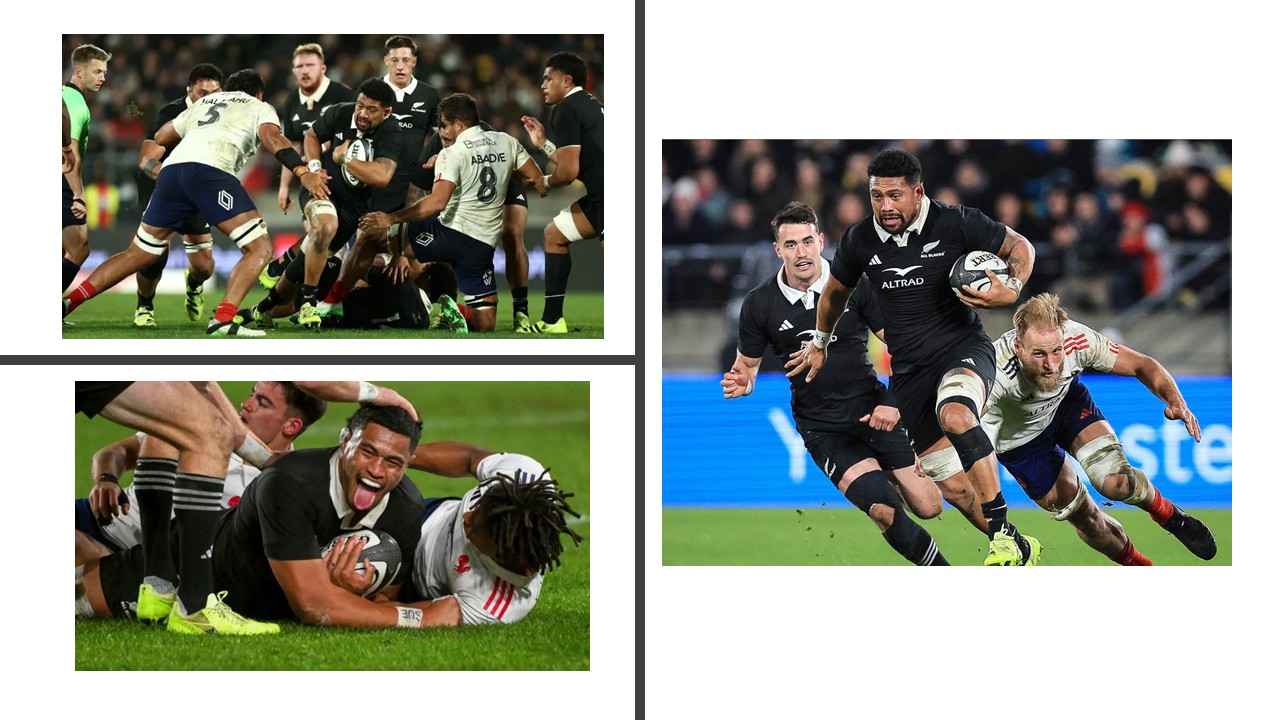
For the Hurricanes, scrum half Cameron Roigard will want to hone his skills ahead of the All Blacks three Test series with France next month. Les Bleus arguably produce the best scrum halves on the planet, and Roigard knows he will have to be at his best to match them, and what better way than a winner takes all Super Rugby knockout game. Peter Umaga-Jensen the Hurricanes lethal battering ram in the centre channels will be keen to make his mark especially against the exceptional skills of his opposite number in the Brumbies Len Ikitau, while openside flanker Du’Plessis Kirifi is a complete handful in the loose.

Just like the clash in Christchurch, there is very little between two exciting sides who both love to run the ball. However, on home soil and given their pedigree it’s hard to see the Brumbies not advancing to a Semi-Final berth especially if they can shore up their defensive skills and use their physicality to force the Hurricanes into costly lapses of discipline.

The permutations of these knockouts, given they are not classic quarter finals, are slightly complex, to say the least. However, if the Brumbies win, they most likely will play the Crusaders. However, if the Reds beat the Crusaders then the Brumbies opponents would most likely be the Crusaders a week later in Canberra, while the Reds would have the unenviable task of travelling to New Zealand to take on the Tournament’s red hot favourites the Chiefs. In short, it’s complicated but two wins by Australian sides would be a massive morale booster ahead of what promises to be a highly demanding three Test series against the British and Irish Lions next month for the Wallabies. If their players can taste success at this level, then all of a sudden, we really do have a series on our hands!

Is Leinster’s star fading and have Glasgow regrouped after their Champions Cup debacle?

Leinster may be struggling to fire on all cylinders leaving supporters fearing another Irish choking session in the knockout stages of a competition, while Glasgow have quietly gone about getting their house in order after their drubbing in Dublin in the Champions Cup Quarter Finals.

Sure, we hear you say, whatever Leinster’s current problems, the last time these two met at the Aviva in Dublin, Glasgow were nowhere to be seen in a humiliating 52-0 loss. However, it’s Leinster’s ability to trip over their own shoelaces come high stakes matches, even though everyone is labeling them as nailed on winners, which is starting to become the stuff of legends. It’s a malaise that is affecting Irish rugby in general all too often these days. Leinster’s performances of late since that Champions Cup Quarter Final have looked less than convincing, to say the least.

Glasgow, on the other hand have clearly picked themselves up off the floor after that humiliation in Dublin a month ago. They appear to be hitting all their straps at just the right time. Attempting to beat Leinster in their own backyard, especially given the all-star player roster of seasoned internationals that the Irish side is able to boast, is no easy feat. However, we’d argue that if anyone can do it, Glasgow have the best shot at it in the URC. Watching their Quarter-Final demolition of the Stormers last weekend highlighted a team that is exceptionally well organised and one where everyone knows each other’s respective roles.

Leinster, when they’re on song, look spectacular. The problem is it would appear to be a lottery as to whether or not they remember to bring their sheet music with them to any given game day. Their set piece work has been hit and miss to say the least, their execution when given space often leaves a lot to be desired and once their composure starts to crack they simply can’t seem to get it back. Don’t get us wrong, this is still a very good team with some exceptionally talented players, it’s just that the overriding impression is one of a team with many very clever moving parts that is just not in sync. Glasgow, by comparison seem to be very focused, even if, especially at scrum time, they struggle to dominate their opponents.

Former Springboks Coach Jacques Nienaber’s legendary defensive structures simply don’t appear to be working at Leinster, and it could be argued that the Irishmen would appear to have one of the most porous defenses in the competition, while Glasgow have the highest tackle success rate of any team in the Tournament, with the Scotsmen also leading the table in defenders beaten. All of this is no doubt causing Leinster Coach Leo Cullen and his team a lot of sleepless nights heading into this match.

Much has been made of Leinster fly half prodigy Sam Prendergast’s struggles to assert himself in the 10 jersey. Considered by many to be a defensive nightmare, the promising youngster has clearly struggled with the pressure of top flight rugby at times. Brilliant one minute and then a liability the next, we share the concern that the young man has been put in the spotlight too much and too quickly, which has dented his confidence. The problem remains, however, that despite all their talent, Leinster still lack a dead ringer for the 10 jersey. Prendergast will get there, especially if he can address his defensive frailities, but there is no denying that despite his genuine and often spectacular talents, he is still a long way off from being the finished product – something Glasgow will be keen to exploit.

Neither side boasts particularly effective set pieces, although Glasgow has a more reliable lineout, but Leinster by throwing some of their big men up in the lineout contests leads the competition in lineout steals, it’s just unfortunate they can’t seem to win their own. Scrum wise, Glasgow seems more comfortable, with Leinster tending to leak penalties at the setpiece get togethers.

Logic says that a team like Leinster who have dominated the standings in the URC for several years now, even if they are a bit thin on the penultimate silverware to back it up, should get the job done. However, the Aviva looked far from full last weekend, and you can’t help wondering if Leinster supporters are staying away in protest until their team can get their house in order. Glasgow as defending Champions look just like they did last year, more than happy to take their bag of tricks on the road, almost relieved at being out of the spotlight of their expectant fans. Their clinching of the title last year at altitude in the hostile cauldron of Loftus Versfeld in Pretoria showed some real character and grit. All qualities that seem to be starting to elude Leinster at just the wrong time, but which seem to be ramping up in intensity for Glasgow.

This is a fascinating contest of two teams who would appear to find themselves in very different head spaces at the moment – you won’t want to miss seeing who gets it right on the day!

High Octane/High Altitude – Who can master the mix as a classic South African rivarly provides the backdrop to the second URC Semi-Final?

One of South Africa’s fiercest rivalries will play out at Loftus Versefeld in the second URC Semi-Final this Saturday, as two of the country’s most dynamic up and coming players in the shape of Bulls number 8 Cameron Hanekom and Sharks winger Ethan Hooker, and who surely will get a Springbok callup this year, show off their skills.

Bulls vs. Sharks – a rivalry steeped in South African rugby history sets the tone for Saturday’s second URC Quarter Final. The Bulls have been consistent all round performers throughout the entire season and it’s very hard to find any chinks in their armor. The Sharks on the other hand are a bit like Leinster. They’ve got the wins to justify their 3rd place spot on the log, but none of it has looked overly convincing, and just like Leinster and their Ireland “A squad”, the Sharks raft of Springbok internationals haven’t really caught the eye nearly as much as they were expected to.

We head into this fixture with the Bulls coming off a strong showing against a determined Edinburgh side, whereas the Sharks had to huff and puff their way past a determined and gritty Munster outfit that simply refused to go away. In the end, the Sharks and Munster were drawn into a tournament first for the URC – a penalty kick shootout to settle their Quarter-Final, with the Sharks edging the fractious contest.

We won’t get dragged into the “kickgate” saga, other than saying although we didn’t like it, we feel what’s been made out of it is a storm in a teacup and time for all parties to move on. As for the respect aspect while we have genuine admiration for the silence afforded to kickers from both sides at matches in Ireland whenever we’ve attended matches in the Emerald Isle, sadly it’s something unique to the country and not replicated anywhere else to any great degree. Consequently, players simply have to get their heads around the fact that they will be taking pressure kicks in often loud and good-natured but ultimately hostile crowd enviroments. Occupational hasard, sadly, and as highly paid professional athletes, it’s their job to learn how to cope with and manage it, none of which was done particularly well by both sides last Saturday in Durban.

Anyway, to our point, all that’s ancient history now and two sides with a passionate sense of rivalry will once more engage in gladiatorial combat on the high ground of Loftus Versfeld’s fabled arena. The question on everybody’s lips is will the Sharks, with their boatload of Springbok superstars, finally produce the kind of performance that they had been billed to produce week in week out of the regular season but sadly somehow didn’t. Or is it going to be a case of the Bulls up and coming young guns blinding us all with the promise of the future, and cause Springbok Coach Rassie Erasmus to rub his hands with glee in the stands.

To be honest, we think it’s going to be the latter scenario. The Bulls have simply looked too clinical and focused all season long, something that can not be said of the Sharks. That Bulls forward pack is a sublime mix of youth and experience, and their big rangy number 8, Cameron Hanekom is clearly destined for great things in the fabled green and gold jersey this year and beyond towards the next World Cup.

The Bulls scrum has been the dominant set piece force this year in the URC allied to a lineout that is consistently reliable. They won’t be happy with some aspects of their defensive work, but overall, this is a dependable outfit that clicks overall as a unit. Willie Le Roux, in the twilight of his career, is clearly loving being back on the high veld and is playing some of the best rugby we’ve seen from him in years in the fullback jersey. Winger Canan Moodie continues to leave defenders snatching at his bootlaces whenever he’s in space, and Le Roux has an uncanny ability to put him there. In short, while they may not be as flash as their Sharks opponents, in terms of rolling up your sleeves and quietly and efficiently going to work, there are few teams that have been better this season.

When the Sharks turn on the razzle dazzle, they are fantastic to watch. The problem is they can’t seem to do it consistently, and some of their performances this season have been a comedy show of errors. The team sheet for that uncomfortable Quarter Final read like a who’s who of Springbok rugby, and yet they still struggled to take Munster out of contention for a full 100+ minutes, even though they had the lion’s share of territory and possession. But forget all the big names, one man has caught our attention all season long and is now surely firmly on Rassie Erasmus’ radar for Springbok selection. Winger Ethan Hooker has been a revelation this year. A big powerful unit that possesses an incredible burst of speed, yet nimble enough to sidestep and weave like a turbocharged gazelle, we have loved watching him wreak havoc on opposition defences this season. In short, this guy is only going to get better, and just like the Bulls’ Hanekom is likely to be one of the Springboks’ breakout stars this year.

There’s nothing per se in the Sharks’ statistics this season that has us running for the hills in alarm, they just have to turn up and play like they mean it for once. Do that and these are two very evenly matched sides, but we’d argue that the Bulls are a bit more efficient and can do more with less coupled to a sense of composure that is hard to rattle. It’s this quality and the fact that the Bulls are more used to the lack of oxygen on the high veld, which means that although there will be plenty of high octane action from both sides the Bulls are more likely to be able to manage their precious reserves of oxygen that much better.

Either way, you won’t want to miss what should be plenty of high-paced action that the fast hard track at Loftus is able to provide. Expect no prisoners taken on both sides as a sometimes antagonostic, but always good humored rivalry notches up a few gears on Saturday afternoon!

Take care everyone and enjoy what should be a very entertaining weekend of oval ball action, giving us a fascinating insight into the International season just around the corner!

Lineout Call of the Week

So, continuing on with our new format, we focus mainly on the games in the Super Rugby first round of knockout stages and the URC semi-finals – with some rather tasty affairs on offer. However, we start by carrying on from our theme brought up last week of is there all just a little bit too much rugby going on which ultimately dilutes the quality at club level but more importantly at a national level? We feel it’s timely to ask some uncomfortable questions, especially in Australia’s case with a Lions Tour just around the corner. So here’s what got us talking in Part One of this week’s Calls with What to Watch and Why out on Thursday in Part Two.

Time for some weight loss training?

We can’t help feeling that given the hectic demands of international/club rugby these days spread over what is still a rather small player base, some competitions could do with some trimming as painful as that may be.

So carrying on from last week’s concerns about there being too much rugby, ultimately diluting the quality of the competitions we currently have, we’re going to throw out the highly contentious assertion that in some of the tournaments perhaps there are too many teams. This, in turn, runs the risk of diluting the quality of the respective national sides. Whichever way you cut it, what we are about to say is probably not going to go down well with some fans in the URC and Super Rugby. However, we’ve singled out these two competitions as both are slightly unique.

Why are they unique, you ask? Aren’t there too many teams in the English Premiership which seems in permanent financial crisis, or how about the French TOP 14? In the case of the English Premiership it’s a fair question, but in France we’d argue that the system seems to be working just fine from a financial perspective, bums on seats, entertainment value and ultimately the development of a strong national side through a deep player base. Nevertheless, in England, despite the problems, there is a setup similar to France whereby promotion and relegation serve as an impetus to improve. In other words, losing every game of the season has dire consequences. Equally winning the second Tier Competition in both countries, the Championship in England and the PRO D2 in France, has the cherry on the cake of promotion to the big leagues. As Newcastle and even Stade Francais contemplate the bittersweet tears of relegation this year, Ealing Trailfinders and Grenoble can start dreaming about a life on the big stage.

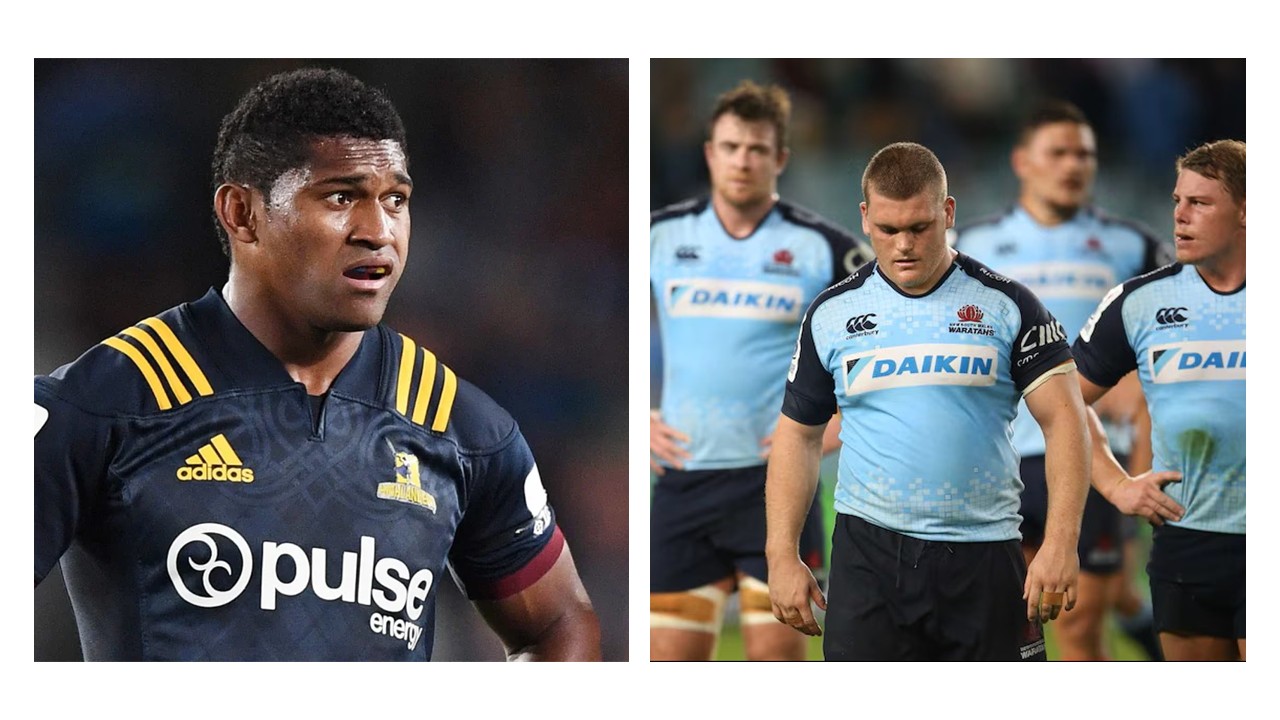
That same sort of jeopardy and the resulting drive and motivation simply doesn’t exist in Super Rugby or the URC. Take Wales’ Dragons or Italy’s Zebre Parma as cases in point. Consistently the worst teams in the league every year and yet still turning up for more of the same every September. Super Rugby is slightly different, but when was the last time you can remember the Highlanders being competitive or in recent times the Waratahs or Western Force living anywhere but the basement of the log come the end of the season? In short, is there a sufficient player base in the countries these top-level competitions serve to have as many teams as they do? We’d argue probably not, at least not without some system of promotion or relegation. Don’t get us wrong we love both competitions and they produce some great rugby – but the reality is that at least 25% of the teams in each competition are simply nowhere near the level they need to be.

Without a system of relegation and promotion to/from a second tier, we’re not really sure how you go about fixing the problems of the perennial strugglers in both competitions. However, we’d also argue that by being able to field a smaller number of genuinely competitive teams, the competitions themselves would become more exciting as a spectacle as well as genuinely honing the skills necessary for those countries to feed into their national sides.

In Super Rugby although dearly loved by their respective fan bases there is no denying that New Zealand’s Higlanders and Australia’s Waratahs are rarely at the races these days

So alright, axemen, we hear you say, who goes on the chopping block? Well, let’s start with Super Rugby. Australia, at best in all reality, can only field three teams able to go the distance and find themselves in a final. There were five until the departure last year of the Melbourne Rebels. Look how much more competitive the four remaining Australian teams have become this year as a result. Reduce it to three, and all of a sudden, New Zealand sides might sleep a lot less easily in the regular season, as well as this rationalization translating into success for the Wallabies against the Lions this summer and ultimately the World Cup in 2027.

For us, it would be the Brumbies and the Reds who get to stay, but out of the Waratahs and the Western Force, we’d argue that the Waratahs need to exit stage left. They may have finished higher on the log than the Western Force this year, but not by much. The Force have a passionate fan base and are the only representation of top flight club rugby on the Western edge of a VERY large country. Therefore, in the interest of growing the game in Australia, they get to keep their spot. We appreciate that’s a pretty harsh judgement on the Waratahs and how do you make the dearly loved State of Origin games meaningful and competitive if, unlike Queensland, New South Wales doesn’t have a top flight team? We have to admit we don’t have an answer to that conundrum, but something needs to change.

In New Zealand, as mentioned above, for us, without a doubt, the first side on the chopping block would be the Highlanders. We appreciate this would be a deeply unpopular decision, but in all reality, New Zealand fields four very good Super Rugby sides, but that would appear to be as much as they can do. If there was relegation, a side that did really well in the Ranfurly Shield or the Bunnings NPC domestic competition could find itself along with other players from teams in the region promoted. Say Otago wins this year’s Ranfurly or Bunnings, then players from Southland and North and South Otago would make up the Highlanders and find themselves back in Super Rugby, at the expense of say the Blues and the Auckland based clubs should the Blues end up being the lowest ranked Kiwi side on the Super Rugby log next year.

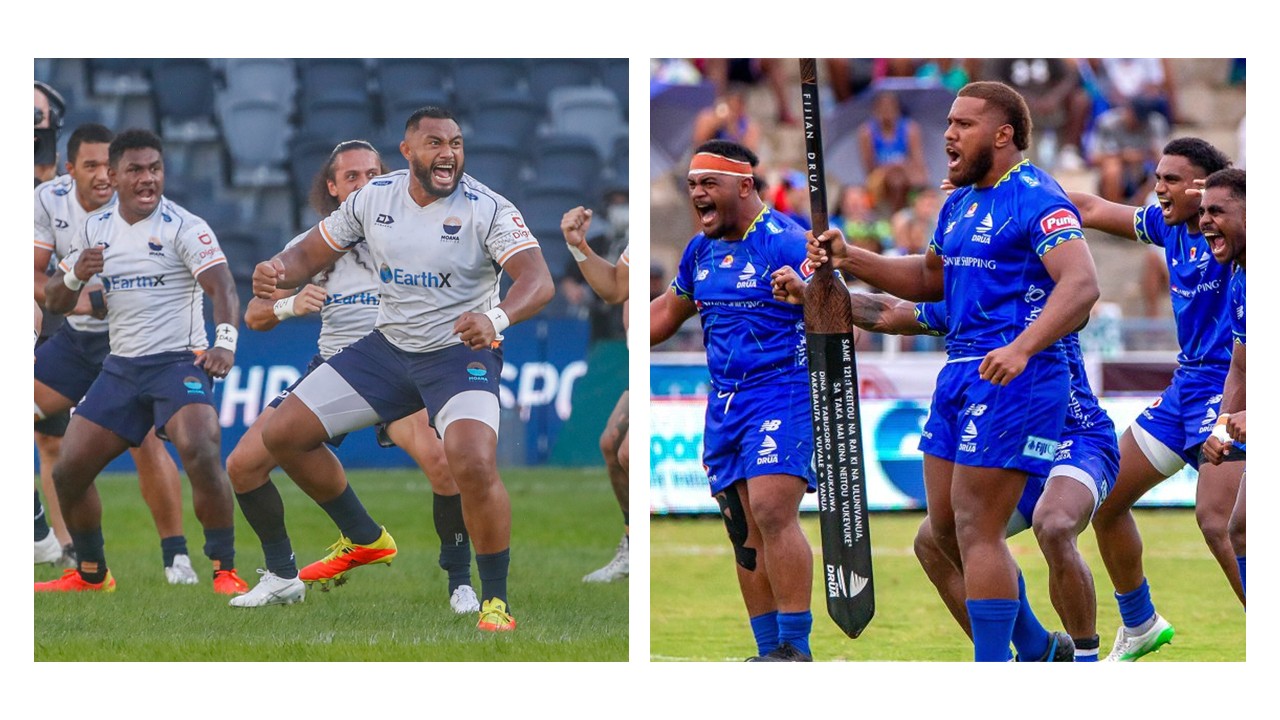
Super Rugby’s foray into capturing the Pacific Island flavor of the competition has worked with Fijian Drua despite their finishing position this year, though we’re not quite sure that the Moana Pasifika experiment has worked as well

Hang on a minute, we hear you say what about Fijian Drua, who finished bottom this season? Well, therein lies the exception. Given that so many players in Super Rugby can trace some if not all of their heritage to the Islands, then we simply have to have a team representing the Pacific Islands in some way. Isn’t that what Moana Pasifika is all about is the next question? Well, in principle, yes, but in reality, it doesn’t feel like it. For all intents and purposes, it’s just another New Zealand team. They have played the odd game in the Islands every season, but Auckland is their home for all intents and purposes. Even with the talismanic services of their Captain Ardie Savea this year, which saw them have one of their best seasons ever, they still fell short of a playoff spot.

The Drua, on the other hand, finished last on the log this year, but play at least half their games at home in Fiji to sell out crowds. In short, the Drua are good value for money entertainment wise and give the competition some genuine “Pacific” representation and buy in. All of this has benefitted the national side in Fiji enormously. If Moana Pasifika could actually be based in the Islands, say shared between Samoa and Tonga the dividends could be huge but at present they simply add additional weight that the competition struggles to make competitive and skews it more towards New Zealand dominance.

Wales respresentation in the URC needs a drastic overhaul and most likely that will come in the form of some sort of examination of Cardiff and the Dragons’ future

As for the URC, well, it’s Wales first up. The harsh reality of Welsh rugby is that the four teams they have in the URC are four too many. Scotland remains competitive with only two and we’d argue that the same should apply to Wales as harsh as that may seem to a country passionate about its rugby and the proud history of the four franchises it fields every year in the URC. However, on current and recent form since COVID, the Dragons days must surely be numbered as most likely are one of the other three. Scarlets would appear to be the strongest of the Welsh sides and have had a good reputation in the tournament in most years. However, if we go the Scottish route, then Cardiff and the Dragons should merge into one team, leaving Wales with no more than three teams, Scarlets, Ospreys, and Cardiff/Newport.

Ireland’s representation in and how it is managed in the URC could definitely do with some tweaks

In Ireland, we’d argue the reality is that there’s also only really room for three teams, most likely Leinster and Munster simply because of their respective history in the competition, and one other, which probably needs to be Ulster to keep the whole “we play as one” concept unique to Irish rugby and the IRFU where Ireland plays internationally as a united country. If Connacht did lose out in the process then maybe a combined Munster/Connacht team, which has the potential to be an Irish “super” team on par with the likes of the unofficial Ireland team also known as Leinster could be the way forward, though where that would leave Ulster as potentially the “poor Northern cousins” would likely be a thorny and possibly intractable bone of contention.

For Scotland despite their lack of success when it comes to getting the big prizes like the Six Nations or the World Cup, we’d argue the two team system of Edinburgh and Glasgow works just fine, no tinkering needed. Glasgow are currently the defending URC Champions, and Edinburgh tend to fare well in European competition most years. In Italy, despite Zebre Parma being permanent bottom feeders, the exposure its players get has helped the national side improve in the last few years, but the reality is two Italian teams is pushing the limits of Italy’s player base but worth sticking with.

The Lions have shown promise but ultimately struggled in the URC whereas Currie Cup stalwarts the Cheetahs have integrated well into the European Challenge Cup even though they don’t play in the URC

Finally, South Africa and it would seem that the Lions are holding the only jeopardy card so far. However, this is where closer integration between the Currie Cup and the URC could be beneficial. South Africa does have the player base make no mistake, but the logistics make fielding four competitive teams in the URC challenging. Relegation could work for South Africa if they fielded three instead of four teams. As it is the big three, (the Sharks, Bulls and Stormers) simply poach any promising talent the Lions may develop, making them ultimately South Africa’s whipping boys in the URC. Also whatever happened to the Cheetahs – remember them? Well they are still a force in the Currie Cup every year and play in the European Challenge Cup even though they don’t participate in the URC.

Something needs to change here – remember how competitive the Lions were in Super Rugby and the raft of big names that ultimately became Springboks that the Johannesburg outfit produced – Faf de Klerk, Franco Mostert, Malcolm Marx and Kwagga Smith to name a few. But yes in short, it would appear that South Africa despite its impressive player base can really only support three competitive teams in the URC, but they more so than Wales or Ireland have the ability to develop some sort of relegation/promotion option.

Is there scope for a URC second tier competition to address some of the discrepancies and difficulties faced by traditional strugglers like the Dragons and Zebre Parma? Probably not, but certainly in South Africa, there is a potential mechanism to support the process for its URC representatives if the move was made to reduce to three instead of four South African teams.

So in conclusion, to make two good competitions even stronger, we’d argue the following. In the URC, three teams each from Ireland and South Africa, two each from Scotland and Italy, leaving Wales and its parlous finances to field preferably two but most likely three. As for Super Rugby, it’s pretty straightforward, really. Four teams from New Zealand, three from Australia, one from Fiji, and hopefully one from a combined Samoa/Tonga but based in the Islands.

Super Rugby and the URC need to move away from the dominance of “Super Teams” like the Crusaders in Super Rugby and Leinster in the URC

In what is no doubt a controversial opinion, it’s our view that some moves towards this kind of alignment would make these tournaments more consistent in terms of quality across the board. There would be less competition for the limited amounts of funds, players and resources that the URC and Super Rugby can generate, meaning more to go round for the teams participating. All of this would translate into making all the national sides that much more competitive as the quality and intensity of week in week out competition goes up a notch on a more even playing field. Furthermore, it could, if managed properly, reduce the risk of one or two sides dominating as only the big budget super clubs like Leinster for example in the URC can buy up the limited number of top quality players as well as expensive internationals. Furthermore a more equal distribution of generated revenue could and should provide the funds to make a team like Moana Pasifika truly representative of the competition’s Pacific culture and based in the Islands.

Like we say, we love both competitions and completely understand the loyalties to the teams in both. Consequently, we appreciate that this could appear rather heartless and simplistic. Our desire is more to see two tournaments that already provide some great rugby find some consistency coupled to some genuine sustainability, especially with all the other demands for more rugby that keep being heaped on our sport by cash hungry governing bodies.

Anyway that’s our rant for the week, and this piece has gone on long enough, so to give everyone’s eyes a break we’ll be back Thursday with the four games we’ll be watching this weekend which as it so happens are all in the URC and Super Rugby Pacific.

Lineout Calls of the Week and What to Watch this Weekend and Why

So, moving forward, a slightly different format. From now on, we’ll be looking at any particular matches that catch our eye in the weekend ahead and why. That’s in addition to anything that came out of the previous week and how it struck us, and as always, an attempt to be more regular in our musings. So without any further ado, here’s what got us talking after the weekend.

Canada’s extraordinary Women!!!

Canada’s emphatic 45-7 win over the Wallaroos in Australia this past weekend, set down the marker that they will be one of this year’s Rugby World Cup challengers, and retains their number two ranking behind England but ahead of New Zealand

The highlight of the week if you ask us was our fabulous Canadian Women’s outstanding win over Australia in Brisbane which saw them clinch second place in this year’s Pacific Four Series as well as hold onto that cherished number two spot in the World Rankings ahead of New Zealand. Although the Black Ferns won the Tournament on points difference after putting the USA to the sword last weekend, having drawn with Canada a fortnight ago, there is very little between the sides. As a result, Canada start their preparations for the World Cup in August on a strong footing, with in all reality only themselves, France and New Zealand in the running to topple a seemingly invincible England.

It was a fantastic Pacific Four campaign for Canada’s women and set exactly the right tone for their preparations for the upcoming World Cup in August. After a rusty start, which nevertheless saw them get an ultimately comfortable win over the USA, Canada headed South to face off against New Zealand. Their second match of the series was an absolutely pulsating affair between two evenly matched sides who took no prisoners for the full eighty minutes. The intensity was nothing short of what we’d seen in this year’s Men’s Six Nations. Canada were hugely physical and exceptionally well organised, especially in their set piece work. It looked as if the match was in the bag for Canada, were it not for a try by New Zealand in the dying minutes to draw the game level. In short, as a spectacle, it was an enthralling match that highlighted how far the Women’s game has come since the last World Cup.

Canada’s demolition of Australia last weekend saw them seal second place in this year’s Pacific Four, as New Zealand got the better of them on points difference after their monster score against the USA on the final weekend. France, New Zealand, and Canada are clearly running at the same speed but will still need to find an extra gear to get past a seemingly invincible England in their own backyard this August. However, as evidenced in this year’s Six Nations, England can be found wanting in the Twickenham pressure cooker as a determined France only lost to them by one point in a thrilling encounter this year.

In short, this is a very good team. Winning the World Cup against an ominous looking England in their own backyard may be a very tall order, but it’s certainly a challenge that this team seems unphased by. What has perhaps been most impressive is how the team hardly seems to be missing a beat without their talismanic Captain Sophie de Goede. Alex Tessier has seamlessly stepped into the Captain’s role, but in addition to a team bristling with young talent there are so many leaders in this squad and their sense of unity and understanding of and commitment to each other is quite inspirational. To add to the upbeat mood, De Goede will hopefully be reunited with the team after recovering from injury when they head to England in August.

In preparation for their opening Pool Match of the World Cup against Fiji on August 23rd, Canada will tour South Africa for a two Test series in July followed by a one off match in Ottawa against the USA on August 1st before heading to England.

As Rugby Canada has limited resources which seem to be skewed towards the underperforming Mens’ programme (that’s a debate for another day), they are looking to seek public support to bolster our Women’s trip to the World Cup, so we hope like us you’ll make a generous donation, see link below. We very rarely fund raise on this blog if ever, but we think you’ll all agree we all want to give this remarkable team the best possible chance in England this year, so please if you can support a cause that is doing the red jersey proud.

https://www.canadahelps.org/en/charities/canadian-rugby-unionfederation-canadienne-de-rugby/

France dominate Europe at both Club and Country level

France dominated Europe this year both at Club and Country level by winning both the Six Nations and the European Champions Cup

As our good friend Squidge Rugby has demonstrated in one of his excellent videos (the link for which is on the TV page), France is developing some rather extraordinary depth. Their TOP 14 national club competition is arguably the best in the world, and Bordeaux were very worthy European Champions Cup winners this year despite an exceptionally strong challenge from a very good Northampton side in a Cup Final for the ages. All that depth in spades at Club level played a huge part in helping France become this year’s Six Nations Champions. In short, France looks in extremely rude health as the buildup for the next World Cup in Australia in two years’ time starts to gather momentum.

The game in France appears to be in very good shape. Attendances for Club games are the envy of most leagues. There is a strong feeder system from the lower leagues such as PRO D2, and their U20s can consistently hold their own against the world’s best. French sides have been crowned European Champions for the last five consecutive years, and while the National side came short at their own World Cup and have yet to develop the consistency needed to win Rugby’s ultimate prize they would appear to be getting closer by the day. Given the kind of resources now at their disposal and talent coming through the ranks, it’s hard to see them misfire at the next global showdown. After years of mistrust between the clubs and the national union and a resulting clash of priorities, there finally seems to be a coherent development of common purpose and recognition that what is good for the clubs is good for the cherished blue jersey.

Remember how, for years, we always used to wonder which French side would turn up on the day? Well, that no longer seems to be the case, and the kind of clinical ruthlessness at club level that dictates so many closely fought games seems to have found its way into the national culture. French sides would tend to be either all flair or all brute muscle, but rarely a convincing mix of the two. Watch any TOP 14 or French national side performance these days, and it’s dramatically changed. The flair is all there in bucketloads, but so is a suffocating physicality that is increasingly difficult for opposition sides to cope with. Furthermore, their ability to adapt to and out think their opponents is becoming the stuff of legends.

France controversially tour New Zealand this summer, without many of their big names, but as we’ve been saying all along, despite New Zealand’s concerns about the potential of a sub par tour the All Blacks might want to be careful about what they wish for. There is a certain familiarity with their big names that it would be easy to prepare for, but bring in some of France’s raft of up and coming talent they haven’t seen before and suddenly there is potentially the risk of a huge banana skin lying in wait for New Zealand. This could be made worse if, towards the end of the tour, some of France’s big names are suddenly made available for the tour as is now being rumored.

Some have written this tour off as a non-event. However, we ourselves can’t wait and have a hunch that it is likely to be the one big surprise of the year in terms of rugby entertainment. New Zealand will probably win the series with all their big guns, but the rest of us will get a fascinating glimpse of the looming threat that France is becoming. While most eyes are on the upcoming Lions Tour, we have a hunch that some of the more interesting rugby is going to be played in New Zealand between les bleus and les noirs this July. Watch this space!

Ouch, got it wrong again – where’s it going to end?

For want of sounding like a broken record, again, we couldn’t help but watch some rugby violence in horror this weekend. However, over and above the nastiness unfolding on screen, our shock was more at the seeming indifference of the officials to both incidents.

Exhibit One. In the Challenge Cup Final Bath’s Sam Underhill aims his head at speed into Lyon fullback Davit Niniashvili connecting with the fullback’s head in a bone jarring collision. It looked horrendous and was. However, in Underhill’s case, there was no malice intended in the tackle and genuine remorse, and concern for his opponent was shown after the event. Nevertheless, it was still a nasty tackle and met all the criteria of foul and dangerous play. Underhill could have adjusted his position, and it is his responsibility as the tackler to exercise due care for his target. Unfortunately, none of these criteria were met, and as a result, it was an EXTREMELY dangerous tackle, regardless of the fact there was no malice in it. Underhill was issued a yellow card but the discussion over the microphone between on field referee Hollie Davidson and the TMO Mike Adamson was beyond farcical and made a mockery of the laws, the game and ultimately player welfare. Furthermore, the fact that neither player was immediately sent off the field for an HIA, Underhill apparently had one while in the sin bin, raises more red flags.

We felt especially bad as due to plenty of mismanagement and interference from the TMO box the game at times had some questionable decision making in terms of refereeing, which put a blight on Hollie Davidson’s first Cup Final. We would like to point out here that Davidson is one of our favourite referees and one we want to see plenty more of at this level, but sadly she will definitely need to review the tapes on this one going forward and hopefully learn from it. As for TMO Mike Adamson, surely this is proof enough that he has no place in the game at this level, as we have had constant issues with his refereeing decisions over the years and Friday’s events in Cardiff were completely inexcusable. Nobody wants to see that, especially anxious parents, and we need to make sure that incidents like that, even though it was not intended with malice, are an IMMEDIATE red card, no questions asked. Underhill has, unfortunately, now copped a lengthy ban, which is appropriate, but he should have received a red on the field instead of the yellow he got and no off-field review.

None of this would have changed the outcome on the day, Bath were clearly the better side and deserved winners, but the whole incident put a blight on what was otherwise an excellent game and a great occassion in terms of building the experience of a potentially excellent referee in Hollie Davidson.

Exhibit Two. There is only one way to describe this : blatant thuggery which should have absolutely no place in our game. The fact that it received no form of sanction whatsoever in the form of a card during the game or a citing afterward makes the rules governing our beloved game almost laughable. Highlanders Prop Ethan de Groot’s blatant head butt of Crusaders lock Jamie Hannah while he was lying prone on the ground trapped in a ruck is beyond disgusting. The fact that none of the officials picked this up during the match, and afterwards, despite a massive public outcry on social media that de Groot is not receiving any form of a citing beggars belief.

While De Groot may receive no sanction from all of this, hopefully All Blacks Coach Scott Robertson has seen it and made the call that there is no place for the Highlanders Prop in the All Blacks’ plans for 2025 – no huge loss as there are plenty of options. While some have argued that it was frustration that caused De Groot’s red screen moment, we simply can’t buy that. It’s not Jamie Hannah’s fault that the Highlanders are this year’s worst team in Super Rugby, and to be honest, have been for quite some time now. If De Groot is upset by the fact that he is in a poor team, then it doesn’t give him the right to take it out on his opponents on the field in acts of hooliganism. Take it to the punching bag in the gym or have a rant at your Coach in the sheds after the game – but cheap and ugly shots on your opponents simply have no place in the game full stop – especially as a professional athlete earning a generous six figure salary!

Is too much Rugby making competitions meaningless in pursuit of the almighty dollar and diluting both the quality and value of the sport????

Is the quality of Rugby and its values being diluted by the proliferation of competitions in the hunt for money thinly disguised as attempts at growing the game?

This weekend’s Champions Cup Final was vintage stuff. We were treated to a cracking display of fast-paced, high skill rugby that had all the physical intensity and thrills of a full blown Test match. France’s Bordeaux edged out a classy English side in the shape of Northampton in front of a packed Principality Stadium with colorful, good natured fans from both sides as well as plenty of thrilled neutrals just there for a great rugby day out which they got in spades. However, the run-up to that Final caused plenty of dissent and has seen interest in a once much cherished competition diminish over the years. We can all remember being glued to our TV screens come Champions Cup time in the first 20 years of its inception. However, in the last 10 years it has become convoluted to say the least, and since COVID and the worthy introduction of South African sides the format has become overly complex, unwieldy and dare we say it not overly enjoyable as a spectacle.

In its current format in the Pool stages and even up to the Quarter-Finals, all that gets produced in six weeks of competition are endless rounds of one-sided matches with little if any jeapordy. This is all compounded by the fact that teams with relatively small player bases have to make almost impossible decisions about how to rotate their limited squads given regular club season duties and international commitments. In short, the balancing act has become almost impossible and the EPCR, the Champions League’s governing body, keeps tinkering with the format to the point where the final product looks like a Power Point presentation done by preschoolers.

Add to that comes the announcement this week that every four years there is to be a Club World Cup between the URC, Premiership, TOP14, Super Rugby, and probably Japan’s League One sides. Eyes glazed by the thought of yet more broadcasting money and sponsorship deals, the governing bodies have decided that this is what we as rugby fans apparently want. The reality was simply that the idea was mooted originally by fans that it might be a bit of a lark once a year to have a one off game between the winner of the Champions Cup and Super Rugby to settle the respective Hemisphere’s annual bragging rights. We don’t think for a moment that any of us wanted a tournament out of it all!

This is all now in addition to the utterly pointless Nations Cup to be held every two years and replacing the dearly loved annual Southern and Northern Hemisphere tours. Oh yes and we’re still going to have a Rugby World Cup every four years that is apparently paramount to all of this, but let’s now have it in places that are supposedly about to become genuine rugby heartlands like Saudi Arabia and which fully embrace the core on and off field values of our sport – excuse our scepticism and lack of enthusiasm on this one! According to World Rugby, this is furthering its objective of growing the game, but it actually looks more like expanding the coffers of World Rugby and its Board of Directors and their pension funds. Ask Canada’s Women how they feel about World Rugby’s largesse, considering they are having to fund themselves to attend this year’s Rugby World Cup!

In all of this, we can’t help wondering how a sport, with an incredibly small global player base compared to others, is supposed to play all this rugby without the use of performance enhancing drugs. What we run the risk of seeing is exhausted players burnt out by the age of 25 and plagued by long term health issues due to Rugby’s inability to effectively police the game in terms of player welfare (see above). It doesn’t take a rocket scientist to see where this is all taking our beloved game, and it’s not a direction that looks positive.

It’s time for us as fans to say enough is enough when it comes to Rugby, and if it ain’t broke, don’t fix it. Let’s face it the governing bodies surely won’t. It’s all about quality, not quantity, people!

What to watch this weekend

Some rather tasty Quarter Finals in the URC this weekend while in Super Rugby it’s the last weekend of the regular season as the race for the playoffs pecking order reaches its conclusion but if you only get to watch two these are the ones we have a hunch you won’t want to miss.

Well, it’s Quarter Finals time in the URC and the last weekend of the regular Super Rugby season before the playoffs. England’s Premiership also wraps up the regular season while France’s TOP 14 as the longest competition in Club Rugby isn’t quite done yet. There’s also some Japan Rugby League One Semi-Finals if you want to see some of your favorite Internationals in action. As a result, there is quite a lot of rugby to get through this weekend. Head over to the TV page for our picks of the URC and Super Rugby, but if you only watch two games this weekend as like most of us your time is limited, these are the two we are not going to miss.

In the URC, there are some very tasty fixtures on offer, but our standout pick is Munster’s trip to the Shark Tank on Saturday. The third placed Sharks who boast a raft of Springboks should, in theory, have this in the bag, especially in front of the Durban faithful. Sixth placed Munster, on the other hand, have had a tough season and have not traveled well this year at all. However, a Munster side with its back against the wall is one of the most dangerous outfits in Club Rugby, and they invariably suddenly seem to find the form that eluded them all season. If you don’t believe us, just watch their trip to La Rochelle in the Champions Cup Round of 16 fixture, which saw them knock the two times French champions out of the tournament. The Sharks meanwhile have fallen off the boil of late, and even their Springbok superstars have looked less than flash at times. They have got the wins, but none of them have looked all that convincing, especially given the big names in their ranks. With some of Munster’s old war horses like Peter O’Mahony and Conor Murray having potentially their last outing in the famous red jersey, then expect the fireworks to fly in this one!

Meanwhile, in Super Rugby, as the sun comes up here on the East Coast on Friday, we are fascinated by the prospect of the Trans Tasman clash between New Zealand’s Crusaders and Australia’s Brumbies in Canberra. The Crusaders who have won the Super Rugby title for a staggering 7 years in a row, only deciding to take a year off from hoisting the silverware in 2024, are back with a vengeance and currently sit second on the log as we head into the final weekend of the regular season. Meanwhile, Australia’s Brumbies, as they do every year, finish the season in the top four of the log and as the best Australian side in the competition by a country mile. Australian sides have done slightly better in the competition this year than they normally do, which must be a relief to Wallabies fans ahead of a Lions Tour boasting some of the Northern Hemisphere’s biggest guns.

The Reds, Waratahs and the Force are all likely to run out of gas come the first round of the knockout stages, but the Brumbies have the potential to last the distance especially with a home playoff run. However, the Hurricanes, Reds, Blues and even Moana Pasifika could all jeapordise that this weekend, consequently the Canberra outfit need a big game against one of New Zealand’s toughest teams to seal their preferred route through the knockouts. This will have all the trappings of an All Blacks/Wallaby contest and, as a result, should be well worth your entertainment dollar this weekend.

You can head on over to the TV page for how and when to catch these two games this weekend. So we’ll leave it there for this week, but once again, from all of us, a HUGE heartfelt congratulations to Canada’s Women, and we hope you’ll consider aiding their worthy cause as suggested above. Enjoy the weekend!

Lineout Calls of the Week – Six Nations Final Showdown

As Super Saturday approaches and with it the final reckonings of this year’s Six Nations, we whip around a tournament that for all intents and purposes is now done and dusted after four rounds with just the formalities to sort out.

It’s highly unlikely that anyone is going to derail the French juggernaut on its way to clinching this year’s title, least of all the brave but wildly inconsistent Scots in Paris. England look to be humming along nicely now and seem to have found as much of what could possibly be described as a groove. Although a trip to face Wales at the Principality Stadium is never a prospect any side should treat with complacency, it’s unlikely that a Welsh side in the throes of transition are going to unseat England as the team with the best points spreadsheet after France. Ireland tipped to go for an unprecedented three back to back Championships need a miracle now to not only win the Championship, but to finish ahead of England in second, as they now have to contend themselves with simply sniffing runaway Championship favourites France’s exhaust fumes. For Ireland to win it or even finish second they need a massive points haul against Italy, and France to trip up in front of 80,000 of their faithful at the Stade de France and Wales to get one over the English in Cardiff. It’s wildly unlikely in the case of the former and a slim hope in the case of the latter.

As for the race to the bottom of the table, whatever happens in Paris as the final game, Scotland should feel relatively secure in fourth place without having to try too hard. If miracle of miracles they beat France and Ireland lose to Italy and they score a bucketload of points at the Stade they could put themselves in with the wildest outside chance of winning the whole thing . Inspirational but sadly unlikely stuff, as their points difference is unlikely to be enough to give them more than a best possible third place finish. Lastly, there’s that toss up for the Wooden Spoon between Italy and Wales. Both sides will be fired up for their final home games, but we just can’t see Ireland dropping the ball that much despite their increasingly waning form, and England losing to a pumped up Wales in front of their adoring fans with a point to prove. That means that Wales emerge winless and Italy with one win, and therefore, the dreaded culinary instrument stays with the Welsh for another year.

So here’s the Lineout’s look at this Six Nations ahead of Super Saturday, in terms of who we think is going to finish where – take from it what you will!

Twickenham was simply a blip on France’s way to lifting the trophy – say no more!

The adage you learn best from your mistakes could not be more true of France, as they head towards lifting the trophy on Saturday evening at the Stade de France!

France have been incredible to watch this Six Nations, even in that error strewn display at Twickenham, which scuppered their plans for a seemingly inevitable Grand Slam. At Twickenham, they were breathtakingly ambitious, but the execution simply didn’t measure up in conditions for which such a bold game plan were simply inappropriate. They learnt their lessons quickly and put them into practice against an Irish side clearly in decline. Now all they face is a Scottish side who will be spirited make no mistake, but much like French sides of old, we are left wondering as to which Scotland side will turn up in Paris on Saturday evening.

France, are destined to become the rugby powerhouse they have been threatening to be since the last World Cup. They would appear to have bought lock, stock, and barrel into South Africa’s power game with a monstrous forward pack, allied to some of the silkiest and quickest backs in the modern game. As a result, the matchup between these two giants in November in Paris will be one of the year’s most eagerly awaited contests. Even France’s B side trip to New Zealand this summer for a three Test series should be causing the All Blacks Coach Scott Robertson some increasingly sleepless nights.

Although France have lost the services of their unique talisman and arguably the best rugby player on the planet, scrum half Antoine Dupont for probably the rest of the season, there is a silver lining in his unfortunate injury in Dublin last weekend. We are not for a moment suggesting that his injury was something to be desired, but what it did highlight is that France are still absolutely lethal even without him on the pitch. There is always a danger that when a team has someone like Dupont the Messi syndrome takes over, as in the case of Argentinian football, and a team’s is game is built around someone like Dupont creating the magic. The minute that linchpin is removed, the whole structure comes apart at the seams. What France demonstrated so clearly last weekend in Dublin is that removing Dupont made no impact whatsoever on their dismantling of what was at least on paper one of the standout teams of the tournament. France’s ability to play as a collective of brilliant rugby minds rather than talented players led by an exceptional conductor was there for all to see. The rest of the world has now been warned as we look towards Australia and 2027.

In short, we can’t see anyone now usurping France’s right to lift the trophy on Saturday evening in Paris, especially not a Scottish side that simply lacks the killer instinct needed for such big games, especially when there really isn’t much left to play for. It’s France’s tournament to lose now, and we just can’t see anyone who can come close to spoiling the party in St. Denis on Saturday night!

England will wish they had started better against an Irish side they could have beat had they started the tournament in the form they are ending it in!

It’s been a tough 18 months since the World Cup for England and their supporters but we have a hunch that courtesy of a handbrake turn in their performances since Dublin, things are finally on an upward trend for the Men in White!

Well, well, look who’s back! England very clearly mean business and by the time their Six Nations campaign draws to a close this Saturday in Cardiff, there is no doubt that they will be billed as the side that has shown the most improvement this tournament. They are still far from being the finished product and won’t be pleased that until their date with Italy, they were not exactly killing it on the pitch. Since coming unstuck against Ireland in Round 1, they continued to be the one point kings, the essential difference being though that unlike last year they were now on the right side of those one point margins, ie the winning side. Make no mistake, that’s a huge turnaround in a team’s performance. Winning doesn’t come easily at this level, but England are finally figuring out how to close out big games, even if until Italy they leave us with no fingernails left in the process.

The ability to hang on and clinch the win is a quality that served them well at the last World Cup. That allied to a killer instinct which they’ve always had but which lacked execution and the decision making needed at times, is starting to finally bring the results needed to make them a genuine contender for the two Six Nations leading up to the next World Cup and the actual global showdown itself.

The only real question left nagging at England is what do they do with a remarkable talent like Marcus Smith? It was easy to perhaps feel that they extraordinary man’s star was rapidly falling in England’s stock as Coach Steve Borthwick has clearly preferred his namesake from Northampton Finn in the number 10 jersey. As a result, Marcus has found himself either occupying the bench for spectacular cameos in the dying moments of games or, more commonly, wearing the number 15 jersey at fullback. He has clearly stated that he prefers to play at number 10, but it would appear that Finn Smith increasingly has first call on the 10 shirt and is a playmaker more in Steve Borthwick’s style.

What is clearly evident is that Borthwick realizes the value and skill set Marcus Smith brings but simply seems at a loss as to where best use them in England’s game plan. It would seem that if the Harlequins star can get his head around playing as England’s last line of defense and playmaker from deep, then his future is assured. It will require him to adapt his game, and it’s also plain to see that at times, that adaptation certainly at Test level is proving problematic. Furthermore, once Northamption fullback George Furbank returns from injury, will Marcus Smith then once again have to compete with his Northampton rival for time on the pitch in the 10 jersey? If England are serious about competing for top honors, then Marcus Smith will need time at fly half to cover for the number one seeded England driver Finn Smith. The real test in the coming months for Marcus Smith will be for him to develop his ability to slot seamlessly between the 10 and 15 jersey as per England’s requirements on the day. Master that and his future is secure.

As for England this Six Nations we have a feeling that a big points haul against Wales this Saturday will see them through to a strong second place finish and plenty to look forward to in terms of spots on Andy Farrell’s Lions Tour to Australia this summer and an exciting November Test schedule.

Ireland need to hit the RESET button after this Six Nations and hit it hard!

Ireland’s glory days are over for now, but hopefully this Six Nations has finally brought home the desperate need for a retooling of the team, both in personnel and how they play the game if they are serious about breaking their World Cup curse in just over two years time!

For Irish supporters now that the potential euphoria of an historic Six Nations three-peat is now not much more than a pipe dream, is there perhaps a sense of relief that dwelling on past glories can now be a thing of the past and the task of rebuilding the team from the ground up for the next World Cup can really begin in earnest? If you ask us, we think there’s a strong grain of truth in that assumption. If Ireland had swept all before them once more this Six Nations, we strongly believe it would have left the team with a false sense of security and an almost inevitable slide to yet another World Cup quarter final exit in Australia in two years time.

Ireland simply have not been that good in our and probably their own honest opinion in the last year. We can’t help feeling that ever since that loss to England in last year’s Six Nations, the shine has started to fade on Ireland’s chariot at a rate of knots. Much was made of getting one over the Springboks in South Africa in their two Test series last year, but we honestly believe, as we have a hunch they do, that had it been a three Test series Ireland would not have emerged the winners. In November, they looked decidedly unconvincing, and this Six Nations, they’ve looked good at times but ultimately not where they need to be.

There simply has not been nearly enough young blood coming through the ranks, leading one to the conclusion that ultimately Ireland’s long-term depth is superficial forcing them to rely on a group of players starting to contemplate the end of their careers, while in a few cases some players have had their inevitable retirement simply postponed. This is not to dismiss these players as irrelevant to Ireland’s cause, but Ireland know that the likes of Peter O’Mahony, Conor Murray, and Cian Healy will not be taking them to the next World Cup. Furthermore it’s debatable whether or not players like Tadgh Furlong, Tadgh Beirne, Robbie Henshaw, James Lowe, Jamison Gibson-Park, Jack Conan, Bundee Aki and James Lowe will still all be at their prime come Australia in two and half years time. That’s half of Ireland’s squad with the other half still relatively unproven at Test level, and let’s not talk about injury cover.

In short, Ireland need to radically retool how they play the game and who they staff the changing rooms with in terms of personnel. Sadly we have a horrible feeling that they’ve left it too late and as a result Ireland could be in for a rough few years between now and the end of the next World Cup, let alone yet another World Cup Quarter-Final exit which may ultimately be too psychologically scarring for Irish rugby to recover from in the long-term.

Half the problem in our view still lies with the fact that selection draws too heavily from one provincial side, Leinster. Look at last weekend’s selection against France. Only 8 non Leinster players made the matchday 23, while against Italy this weekend, only 6 players don’t wear the Leinster blue at provincial level. While there is something to be said for having a player base that knows each other week in week out at club level, we fear it can also breed complacency. Furthermore, there seems to be an almost blind desperation to create Johnny Sexton 2.0, at the detriment of other players who have their own talents and can bring a different legacy to the Irish jersey. We’ve already pointed out, as in the case of France, how valuable it is for a team to be able to play without a genius such as Dupont on the pitch and still produce phenomenal performances.

Ireland sadly still remain in a post Sexton hangover too much of the time, and the desperation to recreate another in his mold has led to the obsession in promoting young Sam Prendergast beyond his current abilities. While all this is happening Ireland are guilty of ignoring the talents of a player like Munster’s Jack Crowley who was progressing very nicely indeed thank you very much even if he didn’t quite show the Gandalf like qualities that Prendergast has displayed at times. One thing Crowley has shown is a calm head under pressure and a defensive skill set that his rival simply can’t match at the moment. For fear of sounding like a broken record, any team that is genuinely serious about lifting the World Cup in two years’ time needs two world-class fly halves. Ireland have one who is almost there in the shape of Crowley, provided he doesn’t get sidelined with no time on the pitch over the next two years and another in the making in the shape of Prendergast. There is also the danger of pushing an up and coming player like Prendergast into the limelight too quickly and irreparably wrecking his confidence and thus his career before it’s even started. In short, the experiments have been made and now Ireland need to find the balance between the two players and how they use them going forward.

We dared to say in the podcast and at the beginning of this tournament that Ireland winning a third consecutive Six Nations would have done them a disservice and ultimately postponed the inevitable in terms of looking to the future instead of relying on past glories. Well, sadly, it’s come as a rude slap in the face to a team who are still formidable but creaking badly at the seams. Whether or not there is still enough time between now and the World Cup to right a listing ship remains to be seen, but we hold that Ireland have had the wake up call they were long overdue and there are still plenty of reasons to be cheerful when pulling on a green jersey provided the much needed lessons of this tournament are heeded.

Oh, Scotland – the side we all cherish but one which brings so much sadness come the end of every Six Nations about what could have been

Scotland could and should have been lifting so much more than just the Doddie Weir Cup this Six Nations, and sadly, it looks destined to stay that way for quite some time despite their talent!

There is not much really to say about Scotland other than once again as the tournament draws to a close we are left with that familiar sinking feeling as yet another Six Nations campaign fizzles out. Sure, there was the relief of putting a vastly improved Welsh side in their place at Murrayfield last weekend and lifting the Doddie Weir Cup, but even that looked in danger of going horribly sideways at one point. Fair enough, they only lost the Calcutta Cup at Twickenham to England by one point. They even made Ireland scramble at times. However, none of it has been overly convincing despite some stellar individual performances at times, but as a team Scotland are once more guilty of lacking the killer instinct to really go deep in this tournament, or in reality any tournament. As a result so much promise ultimately delivers very little for yet another year, and long suffering Scottish fans are left scratching their heads and staring into the suds of their empty pints to try and fathom what might have been and where it all went so horribly wrong.

We’d argue and will continue to do so, that there is enough flair and talent in this Scottish team to equal that of a side like France. The problem is there is neither the concentration span for the full eighty minutes nor the single-minded sense of common purpose and strength that makes a side like France so overpowering. Scotland’s set piece work is still erratic, especially at scrum time, and they rarely dominate the collisions and contact areas week in and week out. While their backs have demonstrated some truly God-given talent, none of it is consistent in its execution. Scotland invariably get three quarters of a game plan right but miss that final set of ingredients to blend it all together for the full eighty minutes, and if in the unlikely event they do, it’s highly unlikely they’ll be able to repeat the process a week later.

After dominating Wales last week for the first hour, they simply decided to go to sleep in the final quarter and found themselves suddenly having to defend a rapidly diminishing lead. Such lapses of concentration or dedication to purpose are simply inexcusable at this level. Look at Glasgow in the Champions Cup and the URC there is focus and intensity by the bucket load which saw them travel to South Africa last year and clinch the URC title at one of the hardest grounds to play rugby, the sacred turf of the Bulls home ground of Loftus Verfeld. Scotland may not have the player depth of other nations but are not short on talent by any means and should be punching way above their weight as they often do on the International stage.

Nevertheless looking at the fate of Scotland’s U20s in this year’s junior Six Nations Championship, it would appear that they like Ireland are lacking the players coming through the ranks that will be needed to maintain their promise in the long run, although Ireland has fared much more positively in the World U20s in recent years.

In short, this is a great team on paper and at times on the pitch, but one whose future continues to remain blurry. If they can translate some of their club form into success on the International stage then surely Scotland can give their fans something to cheer about in the long term, but there are still no givens just yet and more question marks than answers.

Italy cut down to size once more, but the promise still beckons

Italy have been their usual frustrating selves this Six Nations, but we’d argue that there is still plenty of scope for optimism as the Azurri look towards Australia and the next World Cup

We hear you saying but yes Italy always looks promising but never really deliver on it, and agreed it looks like once again the best they can hope for is a lowly fifth place and that’s only because Wales have once again been so poor. Still for another year running, it looks like they won’t be brandishing the Wooden Spoon, and the last two games aside against England and Ireland, they have played some very entertaining rugby. We’d even go so far as to say there is even the outside chance that brimming with passion and pride, they might even be able to pull one over against an increasingly misfiring Ireland this Saturday in Rome. However, that does appear to be a bit of a stretch of the imagination, even if it would be the shot in the arm that both sides desperately need at the moment.

We still argue that Italy have shown an improvement since last year. They have scored some exquisite tries, have shown patience in their execution and their discipline, which has traditionally been their Achilles Heel, has been dramatically improved this year. However, none of it adds up to Italy ultimately challenging the big boys as their set piece work still remains weak and defensively they remain a conundrum. They’ve made more tackles than any other team, but then they’ve had to as their tackles are tending not to stick as they’ve also missed more tackles than any other team.

Nevertheless, some of their attacking rugby has been outstanding, and in Tommaso Menoncello and Ignacio Brex, they have one of the best center pairings in not only the Six Nations but we’d argue Test Rugby as a whole. Whether he is played on the wing or at fullback, Ange Capuozzo is one of the best attacking players in the game and has some of the fastest thinking and most elusive feet in the sport. Their forward pack is respectable, and their halfback partnerships are convincing and at times innovative. Their final clash of the tournament against Ireland in Rome this Saturday should be heady stuff, despite the odds being against them on paper. However, it’s the Stadio Olimpico and provided they don’t let emotions get the better of them, the Azurri will be desperate to claim a big scalp this tournament in front of their delirious and adoring fans. Of the tournament’s big three, Ireland, given their recent troubles, are perhaps the biggest shot at an upset Italy have.

It’s unlikely that Italy will finish higher than fifth this year despite some accomplished rugby on display at times. Still, there is plenty to build on for this young squad ahead of a challenging trip to South Africa in the summer. In Quesada, they have an accomplished Coach who understands the complex mental and emotional dynamics of this team and is more than likely at some point going to turn it into a structure that produces results. In short, from Saturday onwards, no matter where Italy finish – watch this space!

Wales’ seemingly inevitable march towards their second consecutive Six Nations Wooden Spoon, belies the fact that there is the nucleus of a young team here that could restore the Red Jersey to its former greatness in years to come

Wales had a tough start to their 2025 Six Nations, but it’s hard to argue that there are more than just a few glimmers of hope at the end of it of where Wales could be with the right setup come the next World Cup in Australia in 2027!

We’ve really liked what we’ve seen in Coach Matt Sheratt’s new look Wales in Rounds 3 and 4. They rattled Ireland in no small measure and put Scotland under the pump in the final quarter at Murrayfield. In short there is a LOT now to like about Wales and much like Italy their fellow cohorts at the bottom of the Six Nations table, this is a very young squad with plenty of potential ahead of them. While the Wooden Spoon looks set to reside with them for another year, we can’t help feeling that in the process, they have turned a corner.

In Jac Morgan they have a Captain who will serve them well in Australia in 2027 and beyond, and who is more than likely destined for a trip to the Land Down Under as preparation with the Lions this summer, as the talismanic back rower makes the Duracell bunny look like an amateur, such is his stamina and seemingly tireless work rate for the full eighty minutes. Teddy Williams already looks to the manor born in the second row, while Ben Thomas seemed much happier in the center channels than he did making decisions at fly half. Blair Murray caused all kinds of havoc from deep against Scotland, and had he not jumped a tackle the result at Murrayfield would have been even closer, and Ellis Mee on the wing looks to be a prodigy in waiting.

This is a proud team who actually look like they’re enjoying playing rugby again in the fabled red shirt. It’s early days, but we feel they will do the faithful proud at the Principality this Saturday, even though England are likely to overpower them for much of the match. If they can just figure out who takes the reins from temporary Coach Matt Sherratt after Saturday’s final whistle, and his replacement can build on the promise shown in these final three rounds, Welsh fans should finally get a chance to start smiling once more and actually look forward to a challenging Autumn Nations campaign.

The Lineout’s final Six Nations Standings after Super Saturday

  1. France (no brainer really unless Scotland produce a miracle)
  2. England (have quickened their pace throughout the campaign to the point where they’re clearly ahead of Ireland in both cohesion and execution)
  3. Ireland (their season is fading fast, and despite a probable win over Italy, it won’t paper over the obvious shortcomings)
  4. Scotland (barring a miracle at the Stade de France, the stutter is likely to continue despite the talent)
  5. Italy (still hoping for the upset of the tournament at the Stadio Olimpico despite our loyalties to the Men in Green, as a dream come true for the hosts and a kick up the proverbial to get on with the rebuilding/restructuring that Ireland so desperately need)
  6. Wales (Is there one last twist in the tail left at the Principality as the game that matters most to the Welsh against England shows the promise of Wales next gen in the making in front of the Cymru faithful?)

Lineout Calls of the Week – Six Nations Mid-Term Report

It’s been a fascinating opening two rounds of this year’s Six Nations, and already it’s proving to be as competitive as we thought it would. There are no nailed on certainties just yet, although Ireland do look to have taken early control of proceedings with only one genuinely challenging match left in their calendar against France, unless Italy continue to go from strength to strength and cause the upset of the tournament on Super Saturday in Rome.

There’s been plenty of drama, with Wales’ ongoing misery resulting in the seemingly inevitable departure of Head Coach Warren Gatland after their first two games. France, suddenly displaying a complete inability to hang on to a rugby ball at Twickenham, has blown the Championship wide open. Meanwhile, England, with their hardest opponents now out of the way, can realistically envisage a strong finish to their tournament and even the silverware if France and Italy can do them some favors. As we head into Calcutta Cup weekend, is Scotland’s initial promise about to disappear into the ether by Round 3 as it has a nasty habit of doing in recent years, or is a record 5th straight Cup win on the cards for the Scots as a consolation prize for a campaign that looks to inevitably run out of gas by Super Saturday and their date with France in Paris?

So much to ponder and so much to look forward to in a tournament that rarely disappoints. So here’s our mid-term look at this year’s Six Nations

In it to win it? Ireland look the dominant force so far, as they take the first tentative steps towards building a next gen squad.

Ireland’s win over Scotland was convincing and it was refreshing to see some of their younger players start to play more of a hand in proceedings, but sloppiness against England in their opening win rang the alarm bells for many.

You’d think that after Ireland’s first two performances, we’d be convinced that they look to be in the driver’s seat so far this tournament. As the French would say “en principe,” but with said saying comes a tinge of doubt. Ireland are getting the job done after two rounds and two wins, make no mistake, but they are not dominating any of the statistics. The only real area that they are head and shoulders above the opposition is in lineout steals and lineout takes, excuse the pun. Their kicking game has been decent but not spectacular, and they are not exactly carving up huge chunks of the pitch in comparison to countries like France, Scotland, or even England when it comes to line breaks.

What is perhaps most concerning is the fact that they lead the tournament so far in the missed tackle count, traditionally a bread and butter staple for the Men in Green. In short, Ireland’s stalwart defence is looking a bit porous so far at times this Six Nations, and we can’t figure out if it’s down to blatant lapses of concentration as in the opening game against England, or the fact that the likes of Scotland’s Duhan van der Merwe and Ben White were able to find holes in it especially at the close of each half. Against a side like France and the likes of try scoring machines Damian Penaud, Antoine Dupont, and Louis Bielle-Biarrey despite their butter fingers at Twickenham, such lapses even with home advantage in Dublin could prove lethal.

Ireland should be fuming over the fact that after dominating England for much of the game in Round 1, they allowed the English back into the match and to finish by going home with a losing bonus point. With England having a potentially soft finish to their tournament should things go well for them against the Scots this weekend, that points difference could become crucial come Super Saturday at the end of the tournament. Especially if Ireland come unstuck against France in Round 4.

Nevertheless, enough of the doubt and more of the positives. It’s always hard to judge any of the teams on their opening performance, and therefore, we’ll give Ireland the benefit of the doubt regarding England. To be fair, for the most part, it was a pretty dominant display against the Scots and on the road to boot at Murrayfield. However, one also can’t deny that the loss of two of Scotland’s biggest threats, fly half Finn Russell and winger Darcy Graham for much of the match, definitely made things easier for Ireland.

The fly half debate continues to rage, though all the promise of youngster Sam Prendergast came to the fore against Scotland after a shaky start against England. We still remain in the Jack Crowley camp for the moment, though, and feel the Munsterman has a slightly more composed and measured approach to big games, given he has a bit more experience under his belt. Secondly, if Ireland are serious about getting past a World Cup quarter final, then having two World Class 10s will be essential. Develop Prendergast and even fast track the young lad, as he is already showing a skill set that would make his predecessor Johnny Sexton proud, but not at the expense of Crowley who is solid and dependable under pressure and has proven his worth.

As regular readers of this blog know, we also think the team desperately needs some provincial diversity in its ranks, rather than simply just being the Leinster A team. Hence, our delight in seeing young Calvin Nash from Munster also play such a prominent part in proceedings at Murrayfield, along with fellow Thomond Park stalwarts Tadgh Beirne and veteran warhorse Peter O’Mahony. We still think that looking ahead, a strong finish in this tournament even if it came without silverware but developed the young talent waiting in the wings and who will be needed for Australia in 2027, would be preferable to a Grand Slam won by the veterans. A little short-term humility, but invaluable experience gained would and should be more important for Ireland right now at this stage in their World Cup cycle. However, we’re not running the show, and the thought of being crowned Six Nations champions three years in a row would be hard to look away from for any management group.

So on that note let’s hope, for what should be arguably their softest match of the tournament, a road trip to a hapless Wales this weekend, that we see a golden opportunity seized for the youngsters in Ireland’s future plans to lay down a marker. With that done, bring in the big guns once more for ”le Craic” which is no doubt what France vs Ireland is soon likely to be referred to alongside England and France’s “le Crunch”. Finish it all off with a solid mix of some youth and experience for the Super Saturday road trip to Rome and those increasingly wily and dangerous Italians. If Ireland can secure as many points as possible and avoid a potentially embarassing last hurdle stumble in the Eternal City which is likely to be rocking at that point if Italy have more than one Six Nations win in the bag, then Ireland should be able to reflect on five weekends of outstanding work and resulting success.

If Ireland’s final three rounds achieve at least some if not all of the above objectives then we think it’s safe to say that talk of Ireland being crowned Six Nations Champions for a third year in a row, can be made without a Gallic shrug and a bit of French ‘”en principe”.

France’s undoing at Twickenham has shown that the pre-tournament favorites and Antoine Dupont are actually human after all!

France’s uncharacteristically error strewn performance at Twickenham two weeks ago, has blown the tournament wide open but this is still probably the most dangerous side in the competition, provided the ball hasn’t been soaked in olive oil as appeared to be the case against England.

Can France still win the whole thing you ask after their Twickenham fumblefest? Absolutely! Sure there’s that annoying trip to Rome and those pesky Italians who have a habit of making France have to work twice as hard as they think they should on paper. Oh and let’s not forget that rather daunting trip to Fortress Aviva for “le Craic”. Can a desperate and potentially wounded Scotland also throw caution to the wind on Super Saturday at the Stade de France and put on a Braveheart display for the ages and against all odds?

So yes it’s not going to be easy but, let’s not forget that France, despite seeming to lather their entire team in Vaseline as a water repellent at Twickenham regardless of the complications that posed for their handling skills, possess some talent that on most Saturdays still appears to be from another planet. What is concerning is that France often comes unstuck on the road, especially if they have been rattled. There is no denying that the Twickenham horror show shook and unsettled the nerves. Put all that aside, though, and rewatch the highlights. The ambition in that game by France at times was breathtaking, the problem was it simply didn’t suit the conditions. We very much doubt they will make the same mistakes again.

However, there is also no denying that the once seemingly impregnable French defenses, so ably engineered by defense Coach Shaun Edwards, do seem to be creaking at the moment. Furthermore, the legendary English tactician has not been seen in as much evidence in the Coaching box of late as in previous years. Could this be a part of the problem? Admittedly the injuries affecting France particularly in their forward pack haven’t helped, and the loss of Romain Ntamack due to his sloppy red card against Wales, have meant the Toulouse axis of himself and Dupont was clearly lacking against England. We just don’t think that Mathieu Jallibert, gifted as he is as well as being in sync with his two Bordeaux danger men Damien Penaud and Louis Bielle-Biarrey, clicks with Dupont and French management the way they need to.

If they don’t use Jallibert, then we’d argue using Ramos at 10 despite his almost radar like boot, is a risk and takes away a degree of solidarity and security for France in the back line. Using Dupont disrupts France’s rhythmn even more, as evidenced against England. So, in short, until they get Ntamack back for the big one against Ireland, it’s probably safer to stay with Jallibert. If Jallibert has a blinder against Italy, then Coach Fabien Galthie who is suddenly the Man in the Hot Seat after Twickenham, is faced with a genuine dilemma for what will be France’s most important game of the tournament and a potential Championship decider.

However, we’d argue that despite all this talk of the Championship decider in Dublin for “le Craic,” there is the pressing problem of Italy to deal with first this weekend. France’s encounters with Italy over the last two years have been decidedly uncomfortable. They struggled to get past a determined Italy in 2023 with a narrow 29-24 win, and last year in Lille it was a draw which but for an errant kicking tee with the clock in the red would have seen Italy clinch an historic win, something they managed to do in 2011 and 2013. The scores have often been close, and for some reason, best known to themselves, France rarely play well against Italy. It will be fascinating to see if they can overcome their Azzurri bogey this weekend.

It’s likely to be a dry track in Rome this Sunday for two teams who simply LOVE to run the ball. The difference this time around is that Italy are no longer the wild, impatient men of Six Nations rugby. They are measured and cautious with a capable forward pack, a bruising highly dynamic center pairing coupled to some electric backs, something France will have to contend with in equal measure. While most eyes are on Dublin regarding France next month, we’d argue the dustup in Rome has suddenly become France’s biggest game, and all talk of Dublin is irrelevant in terms of France’s focus till the job is done at the Stadio Olimpico.

England finally master the art of being on the right side of the scoreline in one point games!

England’s one point win against France was a massive and much needed shot of confidence for a side that has ALL the potential but very little to show for it in terms of results since the last World Cup. Have England finally turned a corner, and can they go all the way and challenge France and Ireland for the silverware?

Well, it’s been a long time coming, but you felt it was never far off. This is a good English team with plenty of potential. They simply needed to figure out how to fit all the talented pieces together. Something they finally managed to figure out at Twickenham against France. Admittedly, the atrocious weather helped to ensure that France’s legendary handling skills were made a mockery of, but by comparison, England looked comfortable in the wet and were able to make their passes stick.

It was a 50/50 game in terms of the statistics for the full 80 minutes, but England were far better judges of when to try the audacious and when it simply wasn’t on. Furthermore, they appeared to finally figure out the Smith squared equation. Essentially, when you have two playmakers as gifted as Northampton’s Finn Smith and Harlequins’ Marcus Smith, is it even possible to play the two of them on the pitch at the same time? Well, if events at Twickenham are anything to go by, yes, you can. We had the concern that Marcus Smith’s exceptional talents would be wasted at fullback even though it’s a position he is familiar with, despite him preferring the 10 jersey. What we noticed is that exactly the opposite happened, and if anything with the more traditional fly half skills of Finn Smith, Marcus’ talents were accentuated when wearing the 15 jersey.

How so we hear you ask? Watch the replay/highlights of the game, and we think you’ll see where we’re going with this. At 10, Marcus Smith attacks close to the line and builds up such a head of steam with his vision for space, that the rest of his teammates often fail to keep up with him leaving him isolated. At fullback, he has more time to create the type of space he does from deeper, giving the rest of his team time to fill in behind him and give him the support he needs. Finn Smith then becomes the central figure, allowing another set of moves to be orchestrated and get Marcus Smith back into the run of play and supported once more. It seemed to work exceptionally well against France and keep them guessing, as well as having to commit valuable defensive resources to two essential playmakers.

France made considerably more metres than England but were only half as effective with them not helped by some truly horrendous handling skills. There is no denying that England played a much more structured game and managed their opportunities more cohesively. It was a team performance as opposed to France’s, which looked more often than not like a collection of exceptionally talented loose canons.

England’s forward pack were immense and that back row led by the utterly fearless Tom Curry, who seems to have absolutely zero regard for his own personal welfare, and the relentless Ben Earl were a sight to behold at Twickenham. In short, it was an outstanding team peformance and one that if England can replicate it over the next three weekends against progressively easier opponents (at least on paper) then depending on how France and Ireland fare, they suddenly could find themselves in contention to lift the silverware on March 15th in Cardiff.

However, they first have to deny the Scots their fifth successive Calcutta Cup at Twickenham this Saturday. With Scotland’s danger men likely to be back in action, Finn Russell and Darcy Graham, and the motivation of getting yet another one over the “auld enemy” this could be the setback to England’s newfound and well justified sense of optimism. We have a hunch that England have finally found the recipe for success, and Scotland’s 4 year guardianship of the Calcutta Cup will come to a screeching halt this weekend. However, it’s only a hunch as the world’s oldest Test fixture and one steeped in history and emotion simply has no certainties associated with it. So, like everyone else this year, for England, it simply has to be one game at a time.

Is this weekend’s Calcutta Cup clash at Twickenham the start or finish of Scotland’s Six Nations aspirations?

With a talent pool that simply doesn’t boast the depth of other teams, the injury gods are already threatening to take the wind out of the sails of yet another Scottish Six Nations campaign that looked to promise so much but ultimately is in danger of fizzling out by the halfway mark.

We hate to say it, we really do, but yes, we’re getting the same old sinking feeling we always get with Scotland every Six Nations as we head into the final three Rounds. Believe us, we would love to see the Men from Murrayfield hoist the trophy and genuinely believe they have the werewithal to do it. However, just like every year, the stars just don’t seem aligned in Scotland’s favor. The injury gods as always single Scotland out for special attention and that old bugbear of a lack of consistency week in week out coupled to missing a killer instinct for the full five rounds, leaves the Scots inevitably falling short of the mark, despite so much promise.

In their opener against Italy, they were decidedly sloppy at times and star fly half Finn Russell did not have his best game appearing almost careless on occasion. They simply kept letting Italy get back in the game and get their tails up. There were moments of absolute brilliance, and despite their lapses of concentration at times it was overall a dominant performance. However, much like Ireland’s opener against England, at times despite the scoreline, it didn’t feel overly convincing and certainly not up to the hype surrounding the build-up to their Six Nations campaign.

There is no denying that the loss of Captain and all star center Sione Tuipolutu, currently one of the best in Europe, was a bitter blow to their chances. Furthermore, Round 2 saw knocks to winger Darcy Graham and Finn Russell after only the first quarter, which saw them sit out the rest of the match with Graham off to the hospital. Fortunately it would appear that the all star duo will be back for the crucial Calcutta Cup match at Twickenham, but whether or not they will be able to last the full eighty minutes of what should be a punishing Test match remains to be seen. While Scotland has some notable replacements, most are lacking game time at this level, and for such a crucial game as the Calcutta Cup, it is a big step up.

Despite some of these setbacks and a bit of a lack of fizzle heading into the game with England, Scotland and their supporters can take heart in how they have stood up for the most part in the first two rounds. They’ve made more metres than any other team, have the most offloads and carries, have the second most efficient lineout after Ireland and the highest tackle percentage rate coupled with the least amount of missed tackles. However, in the breakdown and scrum battles, they are coming off very poorly, an area which England is dominating, and they will be keen to target on Saturday at Twickenham.

Scotland, even without the likes of Tuipolutu, Russell and Graham have some exceptionally dangerous players. Winger Duhan van der Merwe seems to revel in rubbing England’s face in the dirt out wide, Blair Kinghorn has brought his incredible skill set with him from Toulouse and Huw Jones is second in tries scored in the tournament to France’s outstanding Louis Bielle-Biarrey. Rory Darge is an absolute menace in the loose and has a handy eye for space and the ball handling skills and pace to use them.

In short, there is a lot to like about this Scotland team, and there is at least one massive performance left in them this Six Nations, either at Twickenham this weekend or Paris, come the final weekend. At least we’d like to think so. If the stretcher bearers can just leave them alone for the next month, and they memorise and repeat aloud the definition of consistency every morning when they wake up between now and March 15th, there will still be plenty of fight and entertainment left in this noble band of Celtic warriors.

Meanwhile in Rome…..the party continues!!!!!!!!!

We think it’s safe to say that Italy are having the time of their life right now, and although they now face their three toughest opponents in the race to the Six Nations finish line, two of them will be hosted at an increasing formidable Stadio Olimpico in Rome. It still may be David versus Goliath, but Italy are definitely no pushover, especially at home.

We are having even more fun watching Italy in this Six Nations than we normally do. While many tend to see Italy simply as a points haul opportunity, we increasingly do not, and regard every one of Italy’s games now as one where a monumental upset lurks. In short, take the Azurri lightly at your peril these days. This is definitely a team on the up under the astute guidance of their Argentinian Head Coach Gonzalo Quesada. Quesada is clearly the first Coach to really get what makes Italian rugby work and how they can use it to their advantage. He seems to have taught them patience and a sense of composure at long last. Remember, how in days gone by Italy would just go full throttle chucking miracle passes around, losing their discipline and generally just trying to play too much rugby. It was all tremendously entertaining, but it lacked rhythm and structure and tripped them up time after time.

This past year, Italy have for want of a better word finally matured as a Test Rugby nation. The precision is there allied to their almost overpowering commitment to the jersey. They are finally working as a well drilled team playing for each other and understanding their respective roles and responsibilities as opposed to a spirited collection of passionate and skilled loose canons.

Their applied mindset has made them stand out in the statistics so far. Fullback Tommasso Allan is the tournament’s leading points scorer after two rounds. Lineout fan favorite Federico Ruzza leads the tournament in lineout takes, while back rower and Azzurri gladiator Sebastian Negri has the second highest tackle count after Ireland’s Josh van der Flier. Their scrum still continues to creak however, despite the fact that their front row forwards have been a genuine menace in broken play and Hooker Giacomo Nicotera excels at finding his targets when it comes to throwing lineout darts. Despite a lack of success at scrum time, Italy have shown genuine prowess at the breakdown, especially through the Cannone brothers, and the rest of their set piece work is solid and fairly reliable.

They now face their sternest Tests in the last three Rounds. France pay them a visit in Rome this Sunday, but based on recent contests between the two in the past, we very much doubt Italy is in awe of their Gallic visitors and are certainly more than capable of giving them the fright of their lives, especially when egged on by a delirious Stadio Olimpico. This, along with the Calcutta Cup, is likely to be one of the two best games of the weekend. After that, it’s a challenging trip to Twickenham, especially if England makes it two from two by getting a convincing win over the Scots. Finally it’s back to the Stadio Olimpico for one final hurrah against an Irish side potentially chasing either a Grand Slam or a massive points haul to clinch them a third consecutive title – a tough ask for the Italians even with home advantage. Just imagine the headlines, though, if they not only pull off a win against France but top it off with an unthinkable win against the defending Champions on the final Saturday and a possible third place finish. The papers would be literally burning off the presses!

Still, let’s bring ourselves back down to reality and the one thing we do know for sure. This will probably be one of Italy’s best Six Nations ever, and it is very unlikely that all they will have to show for their efforts is the Wooden Spoon. In all probability, though, the best possible outcome will be a fourth place finish, but it’s still onwards and upwards, and we can’t wait to watch them rise to the challenge!

And in Wales, how the mighty have fallen as the memory of Gatland and his Grand Slam glory days have now been consigned to history as a once proud nation becomes a mere shadow of its once legendary self!!!

Coach Warren Gatland is gone after the first two rounds of Wales’ Six Nations campaign, but it’s still going to be a long and painful year for the Men in Red.

We have found Wales’ journey into obscurity this past year agonisingly painful to watch. There are some genuinely committed and skilled players in this team who are desperately proud of the privilege of wearing the famous red jersey, perhaps none more so than inspirational and outstanding Captain Jac Morgan. Morgan puts in a 110% performance every game, no matter what the scoreboard says. You simply can’t fault the young man for just not giving up in what seems a desperately lost cause. Wales simply lack structure and purpose and dare we say it passion as a unit. There are some noble individual performances, but none of them seem welded together into any kind of cohesive shape. In short, Wales look like they only have the vaguest idea of what they are supposed to be doing as a team.

It was inevitable that as a result, the axe would fall on long-time Coach Warren Gatland’s head. The New Zealander who brought Wales so much success from 2008 to 2019 has fallen from dizzying heights. Welsh rugby as an entity from the national side to the club game is in tatters and is an appalling litany of incompetence and mismanagement. It was inevitable that on Gatland’s return to Wales since leaving after the 2019 World Cup that he would fall prey to being an easy target. There were few who could argue that he looked like he was actually enjoying his job since taking over again in 2022, and there didn’t really seem to be any conviction in his press conferences about Wales’ prospects. We’re great believers in once you’ve left somewhere on a high, it’s always a mistake to go back, and that definitely appeared to be the case with Gatland.

However, all that aside with or without Gatland, the crisis that Wales and Welsh rugby finds itself in is going take a lot more to fix than just the personnel in the Coaching Box. New interim Coach, Cardiff Blues headman Matt Sherratt may be able to put some torniquets on the national side to stop the short term hemorrhaging and possibly pick up an unlikely win against either Ireland, Scotland or England in the process, but it’s not a bet we fancy putting any money on.

Sadly, there is not much to say that’s overly positive about Wales and their prospects this Six Nations. The Wooden Spoon looks more than likely to rest with them again this year, despite the best efforts of the likes of Jac Morgan, Will Rowlands, Aaron Wainwright, Dan Edwards, and Tom Rogers. The latter pair of youngsters look exceptionally promising for the future, but lacking the Coaching direction they need they’re still just too green at this level, while some of the veterans look dare we say it slightly tired and jaded.

We hope there’s a win in there somewhere for this desperately proud and deserving rugby nation but can’t help get the feeling that 2025 is likely to be another year to forget for a brave but troubled Wales.

The Lineout’s Wild Card End of Tournament Standings

So two rounds in and we all pooled our pints and came up with how we think at this stage the standings will finish come March 15th. Take from it what you will and enjoy what promises to be a fascinating few weeks.

  1. Ireland (but no Grand Slam)
  2. France (if they beat Ireland and don’t have a wobble against Italy then they could still win it)
  3. England (but on last week’s form could well end up second)
  4. Italy (our wild card draw based on the outside chance of a big scalp somewhere between now and March 15th and a healthy points balance and Scotland succumbing to injuries and a lack of consistency when they need it most)
  5. Scotland (injuries and a lack of consistency look set to trip them up this year, but if Italy fail to deliver our wild card then fourth and if they win the Calcutta Cup this weekend maybe even third)
  6. Wales (just can’t see a miracle sadly)

Have fun and enjoy the last three rounds!

Lineout Calls of the Week – The Year Ahead – Part 3 – Scotland and Wales

With the Six Nations JUST around the corner, we start 2025 with a look at Scotland and Wales and what lies in store for them this year.

Scotland the brave desperately need to turn that marvelous quality into results at long last, and this is perhaps the year they have the best chance of doing it. Scotland are one of our FAVORITE sides to watch year in year out, and we never label them with the tag underdogs like we do a side such as Italy. On any given Saturday (or Sunday), Scotland can beat anyone and often do – the problem is they just don’t do it with any level of consistency. Brilliant one day but a disaster the next is perhaps what best sums up back to back Scotland performances. Add to that the fact that the injury gods invariably single out Scotland for special treatment throughout the year, coupled to a limited depth pool and sadly it all too often unravels for Scotland before the party has even begun. Despite fielding the oldest squad in the Six Nations this year at an average age of 29, there is a plethora of world-class talent in amongst their ranks. There is absolutely no reason whatsoever, if Scotland can weather any injury crises that unfold as the tournament progresses and develop some consistency why they couldn’t win the Six Nations this year, as well as any of the big Tests, as yet to be determined that they will face this Autumn.

Meanwhile, across the Severn in Wales, it has been a decidedly gloomy couple of years for Welsh fans. Gross mismanagement of the sport in the Principality has led to talented players either giving up on rugby or seeking their fortunes elsewhere. Warren Gatland has once more returned to the land that gave him so much success as a Coach and has taken up the mantle of trying to sort out the national side for a record 15th year and is the longest serving Coach of any national side, having been in charge of Wales on and off since 2007.  Wales have not won a Test match since the 2023 World Cup and last year was probably the greatest low point in this proud’s nations legendary rugby history as they lost all eleven of their games last year which is literally unheard of. They may be down as they start 2025, but definitely not out, and although another very tough year is in prospect, we think it can only get better from here on in, albeit painfully slowly.

The Six Nations perennial dark horses look set once again to cause some genuine havoc, but is this the year they turn it into BIG silverware?

Scotland are no stranger to silverware in the Six Nations as the Calcutta Cup has sat safely locked away in Edinburgh for the last four years. However, with phenomenal talents like Darcy Graham out wide and Matt Fagerson in the forwards is this finally the year to go all the way in the Six Nations and beyond and is Coach Gregor Townsend still the man to take them there?

Firstly, let’s clear the record here. Nothing we say about Scotland should indicate to anyone that we think they are a poor side. Quite the opposite is true. We actually regard them as one of our favorite teams and one brimming with world class quality and talent. Our criticisms, if they are perceived as such, stem more from a sense of frustration that a team which on paper looks so good and often takes our breath away on the pitch is often left clutching the scraps at the end of any tournament.

Look at 2024 as a case in point. Scotland could have won that tournament but sadly didn’t. They impressed against Wales, but after storming to an impressive 27-0 lead at half time somehow decided to let the Welsh back into the game in the second half and allow them to score 26 unanswered points, leaving Scotland with a distintcly uncomfortable 1 point win. They seemed to learn little from that match as they headed back to Murrayfield the next week, and proceeded to keep France under pressure and themselves ahead on the scoreboard until the final ten minutes where they appeared to simply switch off, allowing the French to take the win. They redeemed themselves by retaining the Calcutta Cup a fortnight later in a masterclass against England, but then travelled to Rome and failed to crack Italy’s resolve as the Azurri doggedly held on to their 2 point winning margin despite Scotland throwing the everything including the kitchen sink at them for the final ten minutes. Last but not least, they traveled to Ireland and simply did too little too late despite a brilliant final twenty minutes. As a result, we were left scratching our heads that after some incredible displays of rugby at times, Scotland found themselves a lowly fourth on the Six Nations log.

They headed to the Americas in the summer with a young and energetic development squad who essentially annihilated all four of their opponents, Canada, USA, Chile, and Uruguay. The Autumn saw a handsome win over Fiji, a titanic but ultimately losing struggle with South Africa, and perhaps their best game of the year – a thrilling display against Australia resulting in a much deserved win over a dramatically improved Wallaby side.

Scotland’s first concern this year is on the eve of the Six Nations, the fact that they have lost their Captain Sione Tuipolotu for the entire campaign. The Glasgow centre has been arguably one of the best players in Europe this season. On the plus side, there are a few players already stepping up to take his place, and while lacking experience are definitely not short on skill. The fact that two of them also hail from Glasgow Warriors, Stafford McDowall and Tom Jordan, along with Northampton’s outstanding Rory Hutchinson whose passing is some of the best in the English Premiership this season, should give Scottish fans some comfort.

Fly half Finn Russell is now a household name in International rugby and considered one of the most gifted players in the modern game, and on a good day can give the likes of France’s Antoine Dupont and Emile Ntamack a run for their money. Not quite as reckless as he has been in the past, the player likened by many to a mischievous Elven Lord, definitely has magic in his boots and an ability to seize and create opporunities out of thin air. Scotland may not be as proficient in the set pieces as they would like to be but are still no slackers, and their backs are some of the finest in the modern game. For us Scottish number 8 Matt Fagerson is a joy to watch, an athletic and powerful carrier in the loose but also outstanding in the contact areas, Fagerson brings an edge to Scotland’s efforts both in attack and on defence, ably assisted by the live wires of Rory Darge and Jamie Ritchie, provided the latter can keep his discipline and temper in check.

As mentioned before though it’s that truly astonishing set of backs that keeps us glued to our TV screens. Winger Darcy Graham has been plagued with injury since last year, but when on song the dimunitive winger’s speed and agility has to be seen to be believed. With big bruising South African import Duhan van der Merwe on the opposite wing Scotland has more pace out wide than most teams would know what to do with. Tuipolotu’s centre partner at Glasgow Huw Jones has been lighting up European pitches all season this year, while utility back Blair Kinghorn has blossomed into the world class player we all knew he was destined to become since he has started plying his trade week in week out with the likes of Antoine Dupont, Emile Ntamack and Thomas Ramos at Toulouse.

Many of Scotland’s squad will be putting their hands up for Lions duty this summer in Australia with Andy Farrell, and there is little doubt that his touring party is likely to have a very Celtic feel to it. Scotland’s Autumn fixtures have yet to be announced, but New Zealand is likely to feature in their plans.

Can Scotland ultimately win this year’s Six Nations? How long is a piece of string, we hear  you ask? As far as we’re concerned, we think they can without any shadow of a doubt, especially if there are no more injuries and they don’t decide to switch off at key moments. However, the reality is that injuries and Scotland’s ulitimate lack of a killer instinct and the focus needed to go with it are likely to trip them up at key moments once again this year. A strong third or even second is definitely on the cards but unless they go storming into their final game against France in Paris with three commanding wins under their belt we can’t see it happening, but sincerely hope we will get proved wrong.

Perhaps Scotland’s biggest challenge this year will be that Calcutta Cup match at Twickenham in the middle of the Six Nations. If they were to win that and hang on to the cherished piece of silverware and with it International Rugby’s oldest rivalry for a remarkable run of five years in a row, then perhaps the sky really is the limit for Coach Gregor Townsend and his men this year. Either way we can’t wait to see how Scotland’s campaign unfolds this year, and in terms of sheer entertainment value whatever happens over the next two months, you can rest assured Scotland will be top billing.

Despite the Welsh Dragon rarely breathing fire these days, better times may not be all that far away

Despite Wales and Coach Warren Gatland facing truly dark times, there is a glimmer of light emerging at the end of the long tunnel this Six Nations, and outstanding Captain and back rower Jac Morgan and new senation winger Tom Rogers could finally give Welsh fans some long absent cheer

It’s our humble belief that Wales are perhaps the bravest and most dogged side in International Test Rugby. Despite being written off during their annus horribilis of 2024, we can honestly say that they still managed to play for the jersey and display a sense of resolve that clearly defied the almost insurmountable odds stacked against them. Wales despite their recent misfortunes are still a passionate and proud nation with a persistent collective belief that better days lie ahead – just as it’s not unusual to hear the strains of Tom Jones’ Delilah echoing around the Principality Stadium whether Wales are winning or losing.

It’s true that Coach Warren Gatland did not look a happy man in 2024 as one loss followed another and he must have surely questioned his life choices in agreeing to take up the reigns of Wales’ top job in the Coaching box again in 2022. However, as scarce as the results were last year, and in actual fact there weren’t any, we’d urge you to look more closely at the scorelines come the final whistle for a more balanced view of where Wales fortunes really lie. Of eleven Tests played they lost 4 of them by five points or less, most notably Scotland by one point and a narrow two point loss to England at Twickenham, culminating in that final humiliating Six Nations loss to Italy in Round 5 by a mere three points. In short, apart from the hidings dished out to them by Ireland and France, Wales were competitive for a large chunk of the tournament. Where it all went horribly wrong was their summer exhibition match against South Africa at Twickenham in June followed by their two Test series in Australia, against a Wallaby side that many considered to be in even worse shape than themselves.

The Autumn Nations series was at best humiliating for Wales and their supporters, as they were beaten by Fiji and then handed serious schoolings by both Australia and South Africa. At that stage, the end of 2024 just couldn’t come soon enough if you were Welsh.

However, this year, we’d argue there is some room for cautious optimism. Welsh club sides have started to improve their fortunes with very strong showings from Cardiff in the URC and respectable efforts from both Ospreys and the Scarlets in the European Challenge Cup. Will Wales end up clutching the Wooden Spoon once more this year? Sadly, probably yes, but we have a very strong hunch that, unlike last year, they will not emerge totally winless – there’s one game to be had in there somewhere just when everyone is least expecting it.

While the Welsh squad picked for the Six Nations is unlikely to strike fear into the hearts of teams like Ireland, France and Scotland all of whom with the exception of Ireland they have to play away from home, there could be an upset when they meet England at the end of the tournament at the Principality Stadium. The chances of such an event could be heightened if an England side promising much this year has failed to deliver by that point. Extremely challenging trips to Paris, Rome, and Murrayfield lie ahead of them before that fixture in this year’s Six Nations, but don’t write Wales off just yet.

In Captain and back rower Jac Morgan, Wales have a youthful and tireless servant who consistently plays above and beyond week in week out at club level. He’s proven to be a fine leader and shows a maturity and wisdom well beyond his 25 years. In short, he works, plays, and leads like a veteran in their early 30s or at the prime of their playing career. Add Tommy “Turnover” Refell into the mix alongside him coupled to youngster Christ Tshiunza in the second row partnered with Dafydd Jenkins and these four could go a long way to addressing the numerous concerns that remain around Wales competitiveness in the set pieces and especially the lineout.

There are some pacy backs starting to catch the eye again in Wales and electric winger Tom Rogers is considered to be the next big thing for the Men in Red. If the Scarlets man is made full use of by Gatland and his team, Wales’ opponents will find him a handful. The other player for us lurking off your radar screens but likely to be front and centre for Wales by the time the tournament wraps up is 21 year old Ospreys fly half Dan Edwards. The 10 jersey has been a real problem for Wales ever since its guardian in the glory days of Gatland’s tenure, Dan Biggar departed after the last World Cup. Watch Edwards in action in the URC and Challenge Cup, and it’s hard to believe that he is only 21, given the composure and confidence he plays with and sound decision making that backs it all up.

While we don’t see many Welshmen being handed tickets to Australia by Lions Coach Andy Farrell this summer, we’d argue that the next two months should provide an indication that a start is being made to end the rot that has pervaded Welsh rugby for the last eighteen months. Wales still have a long way to go before they are out of the woods and it’s not going to happen just yet, but we have a hunch that noone is going to be taking them all that lightly this year especially at home. The will and the belief is there, of that we have absolutely no doubt. You don’t bring a proud nation steeped in a glorious rugby history like Wales down in the space of just one year. We are convinced that once the Principality Stadium finds it voice once more and starts singing again, Wales will hit some of the right notes at long last – for rugby’s sake, we hope they do!

Well, that it’s folks for now. Over the course of the coming weeks and prior to the start of Super Rugby we’ll continue this series looking at the Southern Hemisphere crew of Argentina, Australia, New Zealand and South Africa along with our usual updates on the Six Nations. Till then, Happy Sixmas Eve once more, everyone, and let the games begin!!!!!!!!!!!!
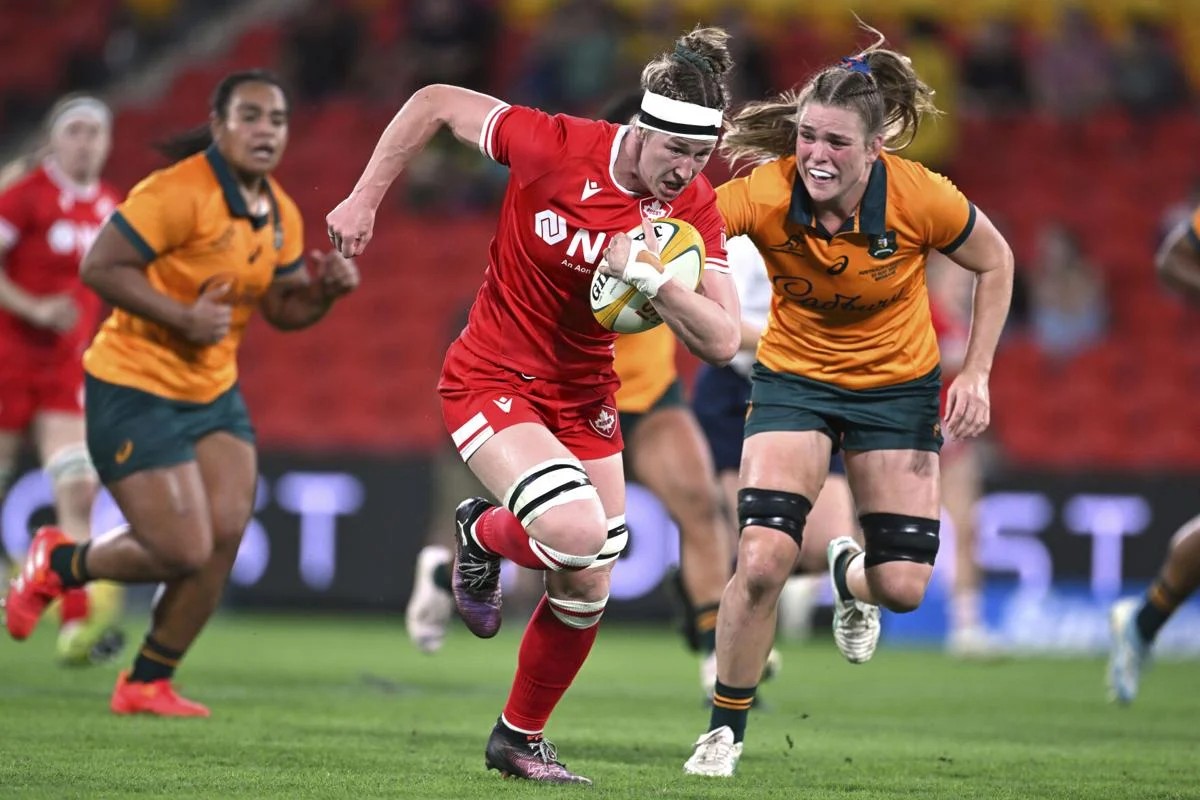
Lineout Calls of the Week – The Year Ahead – Part 2 – Ireland and Italy

With the Six Nations JUST around the corner, we start 2025 with a look at Ireland and Italy and what lies in store for them this year.

With Ireland as back to back Six Nations Champions and their Coach temporarily stepping aside and deputising to Simon Easterby as a result of Lions Tour preparations, it will be an interesting year for Ireland. In addition, with Italy no longer the whipping boys of the Six Nations and clearly starting to develop a talent pool that is showing some genuine promise, both sides have plenty on the line in 2025 and lots to prove. For Ireland, it’s time to fast track a new generation of Irish players, while for Italy it’s a chance to show that they are finally on an upwards trajectory that is more than just a flash in the pan and has some genuine staying power for the next World Cup.

Ireland will want to show their Coach Andy Farrell who has temporarily stepped aside on Lions Duty that the bulk of his squad should hail from the Emerald Isle as they prepare to travel to Australia in the summer, and what better showcase to do so than the Six Nations, and even more so if they pull off a third consecutive Six Nations title – something no side has ever done in the tournament’s illustrious 142 year history (in 4,5, and 6 Nations formats). However, Ireland have been painfully slow to relegate some tried and trusted veterans to the sidelines and as a result one can’t help but get the feeling that the Men in Green don’t look quite as youthful as some of their counterparts. There are plenty of green shoots waiting to mature, but they are seriously short on big game experience. Something that simply has to get addressed and quickly if Ireland are to avoid yet another seemingly inevitable World Cup quarter final exit in just over 3 years’ time.

Italy meanwhile appear to be embracing the challenge of absorbing a promising raft of young talent into their World Cup aspirations at a rate of knots. 2024 was a decidedly cheery year for the Italians with plenty of cause for optimism.  The year started with a Six Nations campaign that finally allowed them to hand the Wooden Spoon to Wales after being cursed with holding the much maligned tournament artifact every year since 2016. Italy were extremely competitive in the Six Nations and unlke in years gone by, there was only one absolute hiding at the hands of Ireland. Otherwise, Italy ran England close, drew with France, and beat both Scotland and Wales. That was followed up by a solid tour of the Pacific, which, despite losing to Samoa, saw them get convincing wins over Tonga and Japan. The Autumn, however, saw Italy lose some of their Six Nations shine, as they only managed a narrow win over Georgia and were thumped by Argentina. They did show some of that promise once more in their final Test against New Zealand despite being comprehensively beaten by the All Blacks at the final whistle.

This year, all eyes will be on how Italy fares with a relatively favorable draw in the Six Nations, especially with their club side Benetton remaining competitive in Europe so far this season. A tough opener in Murrayfield with a Scottish side desperate to atone for their loss to the Azurri last year, will push this young Italian squad to its limits, but apart from a difficult trip to Twickenham in the fourth round they have the advantage of facing Wales, France and Ireland at home. If they can maintain their ability to catch the French napping again and get some other big wins along the way, could a fourth place finish become a reality that could serve them so well as preparation for a gruelling summer Tour to South Africa? As always with Italy, we can’t wait to find out!

So many questions to answer for Ireland – and it all centers around who will be the Man in the Middle for 2025 and usher in a new dawn for a team that needs a new lick of paint

Ireland need to determine the role of the man in the centre of this picture, up and coming fly half Sam Prendergast, but not at the expense of the proven ability of his rival Jack Crowley on the right to handle pressure. Meanwhile, a top quality Captain in the making Caelan Doris is likely to come of age while Coach Andy Farrell looks on from afar as Lions Coach while Simon Easterby temporarily takes charge of the Men in Green

Ireland could best be described as a fancy race car that’s lost some of it’s shine and is still waiting for the new and improved components to get through testing and be fitted to what should be on paper a dominant machine. 2024 was a good year for Ireland, of that there is little doubt, but we were all left feeling that it was an Irish side resting on its laurels and unsure how to forge a brave new path at the start of this next World Cup cycle. A path they simply have to take if they are to avoid yet another quarter final exit at the global showpiece event in 3 years’ time in Australia.

Ireland has some amazing players, but a large proportion of them are sadly the wrong side of 30. Ireland may not be fielding the oldest average age starting 15 this opening weekend of the Six Nations, that honor goes to Scotland, but along with Wales the combined age total of their starting 15 is 420 years and an average age of 28. Compare that to their opponents on Saturday, England, who, along with France, have an average age of 26 and a combined total of 390. While experience is not to be sneezed at there is no denying that Ireland needs to start bringing to the fore some of its promising youngsters and quickly. While Ireland remain the second best team on the World Rugby rankings sheet, everyone else is catching them up at a rate of knots, and there is very little that comes as a surprise from Ireland these days on the pitch. In other words, they have become a tad predictable at times, which leaves them hugely vulnerable to more youthful and adventurous outfits.

However, write one of the best Coached and organised sides in World Rugby off at your peril. As mentioned above, 2024 saw Ireland clinch a second consecutive Six Nations title albeit without a Grand Slam. But apart from the opening three Rounds where they brushed France, Italy, and Wales aside, the shine started to wear off the Green Machine by Round 4 and their loss to England. They then almost got undone by Scotland in the Final Round, and one couldn’t help get the feeling that there was a collective sigh of relief around the Emerald Isle when the final whistle of the Six Nations was sounded.

Next up was a challenging Two Test tour of South Africa, with Ireland rediscovering their penchant for the mighty drop goal as Ciaran Frawley drop kicked Ireland into a one point win in the Second Test and thus tied the series. The Autumn Nation Series saw Ireland fail to shake off their World Cup hangover in a repeat of their quarter final against New Zealand, which, to be honest, showed Ireland up as decidedly undercooked. Then, a tense and scrappy win over Argentina was followed up by a convincing thrashing of Fiji.

However, they were then only able to just squeak home against a rapidly improving Wallaby side. Ireland’s Autumn Nations series was poor by their own high standards despite getting 3 from 4. The clinical, ruthless, and spectacularly efficient Ireland just wasn’t there anymore. Performances were error strewn and at times looked almost lethargic, and their set piece work was often downright alarming along with their discipline. In short, the composure we’re used to seeing from Ireland simply wasn’t there.

It’s not simply a question of in with the new and out with the old, as they head into a challenging Six Nations, with this year’s edition being billed by many as potentially the most competitive tournament we’ve seen in its history. Ireland do have the luxury of playing their two biggest rivals, England and France, at home in Dublin, but 3 tough road trips await them. Scotland at Murrayfield is likely to be exceptionally challenging this year, and although they may not be losing too much sleep over their trip to Cardiff, any kind of complacency could be fatal. Then there is that conundrum of their trip to Rome on the final Saturday of the competition. If Italy have had the kind of positive campaign that many pundits, ourselves included are tipping them to have this year, then that could be a giant banana skin lying in wait in the Italian capital –  especially if the stretcher bearers and medics have largely been able to ignore the Italian squad during the course of the tournament, but instead have paid a lot of attention to Ireland.

There is still a strong possibility that a very large proportion of Irish players will make up Andy Farrell’s Lions squad, but it will be fascinating to see how the team fares under Irish defence Coach Simon Easterby as Farrell takes a sabbatical this Six Nations in preparation for the Lions Tour to Australia this summer. The ongoing debate swirling around much of the media is the competition for the 10 jersey between established successor to the legendary Johnny Sexton, Munster’s Jack Crowley and Leinster upstart and wonder kid, 20 year old Sam Prendergast. Many feel that Crowley’s ability to cope with pressure is superior but Prendergast’s ability to create some genuine magic Sexton style is hard to overlook, along with the fact that he is maturing into Test Rugby at an astonishing speed, much like a cheeky 24 year old Sexton did way back in 2009.

Meanwhile, Caelan Doris, at the tender age of 26, has cemented his role as Ireland’s Captain and is likely to lead the team through the next two World Cup cycles. The rangy Number 8 is an outstanding leader of men and simply gets better every year. There is a certain calmness and focus to the way he carries himself on the pitch that will serve Ireland well over the course of an exceptionally challenging Six Nations campaign and beyond this year, and we wouldn’t be surprised to see him as part of the leadership spine of the upcoming Lions tour. Other than the Lions, we’re at this stage not sure of what lies ahead for Irish players in 2025, except for a highly anticipated return to Soldier Field in Chicago this November against the All Blacks.

If Ireland can combine their seasoned veterans with a shiny coat of new paint from their promising youngsters this year, then Ireland could easily get themselves back into the groove of a team moving forward and constantly evolving, leaving their opponents continuously on the back foot. In their present form and shape that’s simply not there, and if they fall back too heavily on their old guard and don’t embrace the future, Ireland’s fortunes could well see a decline this World Cup cycle forcing wholesale change come the end of events in Australia in 2027. We think it’s unlikely given some of the talent at Ireland’s disposal, but the tea leaves will need to analysed on a regular basis this year if it’s to be avoided and sometimes taking chances, blooding the next generation of Irish players and learning lessons will be the more important imperative than just simply getting results.

Perennnial underdogs no more – this could potentially be the BIGGEST year in Italy’s rugby history!

While Argentinian Gonzalo Quesada may arguably be the sharpest dressed Coach in International Rugby there is no denying he’s brought an equal level of sharpness and focus to Italy, as reflected in the meteoric rise of outstanding centre Tommasso Menoncello and Italy’s ultimate hard man second rower Federico Ruzza.

Every year, we talk Italy up, and every year, they let us down, so imagine our excitement when last year the Azurri finally decided to honor our longstanding faith in them and enthusiasm for their cause. Hang on, we hear you say they only finished 5th in the Six Nations, and their Autumn campaign wasn’t exactly the best. Of the twelve Tests they played, they drew one and lost seven, so not exactly a stellar record. However, look at the nature of some of those losses and the character shown in some of those wins. They only lost by three points to England, drew with France and arguably but for a freak gust of wind, actually could have won that game with the clock in the red. Their win over Scotland was impressive and showed that they have finally managed the composure necessary to win big games and were able to reproduce that same attitude a week later against Wales. In short, imagine if that kick had gone over against France when the clock was in the red – they would have finished fourth.

This year they have a run of home games in the Six Nations which sees them host France and Ireland, so far an injury free squad and after France and England the youngest group of players in the competition. In Argentinian Gonzalo Quesada, they appear to have a Coach who gets the nuances and culture of Italian rugby and has the buy-in of the players, while still being the hard task master they need at times. In short, there is no reason that if the injury gods are kind to them that Italy couldn’t have the best Six Nations in their history this year. Come out of the next two months fighting fit along with some results to show for it all, and all of a sudden their daunting Two Test tour to South Africa this summer becomes a cause for eager anticipation as opposed to a prescription for sleeping medications and pain killers.

One of the things that struck us the most last year was how good a forward pack Italy are developing. Second rower Federico Ruzza has in our opinion always been one of the most underrated players in Test Rugby, and his work rate at times has to be seen to be believed as well as being one of the most successful lineout poachers in last year’s Six Nations. Italy finally has a scrum that is competitive and a group of hard-hitting yet highly mobile forwards. Their discipline is vastly improved, as is their ability to be patient in the heat of battle.

However, for us, it’s the new generation of Italian backs that are really making us sit up and take notice. 22 year old Tommaso Menoncello is likely to be one of the greatest Italian players of his generation though how long Italian club side Benetton will be able to retain the centre’s services remains to be seen, before wealthy French clubs snatch him up, just as they did with outstanding winger Ange Capuozzo who makes headlines every time he runs out for Toulouse. Allied with Juan Ignacio Brex, Menoncello gives Italy an outstanding attacking platform with the fleet footed Capuozzo and Monty Ioane outside them and Paolo Garbisi at fly half and Lyon scrum half Martin Page-Relo pulling the strings.

Italy, could well shine this Six Nations, and either way, regardless of the results, we know we’re going to have a huge amount of fun watching them have a crack at it. They are already our favourite underdog team, and we have a hunch that regardless of what happens in the rest of 2025, a strong finish in the Six Nations will be Italy’s first step in ensuring a ticket to a quarter final berth in Australia in 2027 which is so much more than just an idle dream this time around.

We’ll finish off tonight with Scotland and Wales. Happy Sixmas Eve everyone!